



Mar 14, 2022 8:39 PM
ETHNIC EXPRESSION
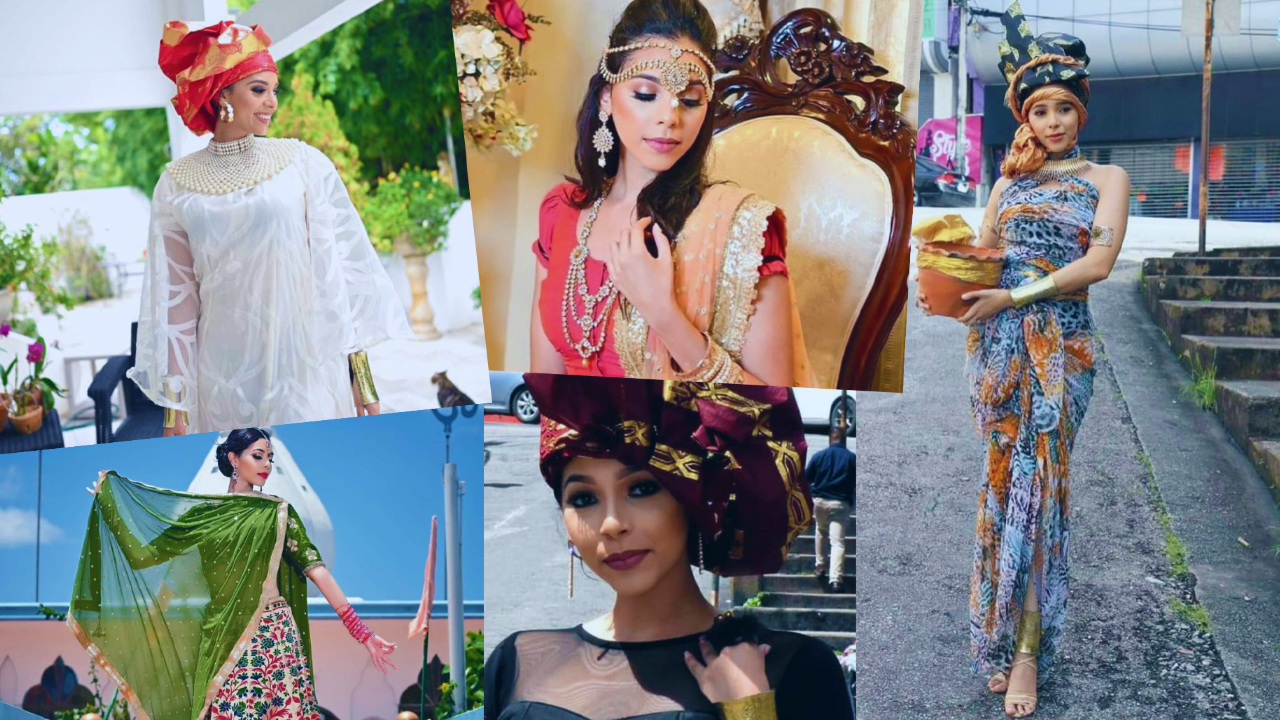
Dress is a fundamental part of culture, reflecting collective attitudes and values. Traditional or ethnic dress associates us with a geographic area, a period in history or rank and is an indicator of identity, sense of self, place of origin, societal rank, as well as marital or religious status. It is a symbol of belonging: an aesthetic show of our identity.
Trinidad and Tobago is home to people of many ethnic and religious backgrounds, the ingidenous Tainos, European colonialists and settlers, African slaves, Indians and Chinese indentured labourers, and Portuguese, Syrians and Lebanese labourers and religious refugees.
We are an ever-changing hybrid race emerging from a complex historical mix. We are one race, with a single identity: and many of us have African or Indian blood coursing through our veins.
Their traditions have left an indelible imprint on our culture, reflected in the way we live, our dialect, festivals, food and what we wear.
Here everything is a celebration, from our national festival, Carnival, to Divali, Eid ul Fitr and Christmas. We celebrate all of these along with others, including Spiritual Baptist, Emancipation and Indian Arrival days, with national holidays, in our unique Trini way.
Here there is no cultural appropriation, no aesthetic exclusive to one group. In a show of patriotism, festivity, unity and belongingness, we take delight in joining one another in traditional ethnic dress, celebrating our cultural and religious diversity, with an underpinning ethos of national unity.
Our identity as a people, is what we call "real unity". It is deep-rooted in me, and it is that spirit of harmony and unity that I will take to Puerto Rico and the world with me.
Comments

Powered by RoundtableBuilt on infrastructure designed for real-time media. Learn more at RTB.io.© Roundtable 2026. By using this site you agree to the Terms of Use and Privacy Policy