



Feb 10, 2024 3:31 AM
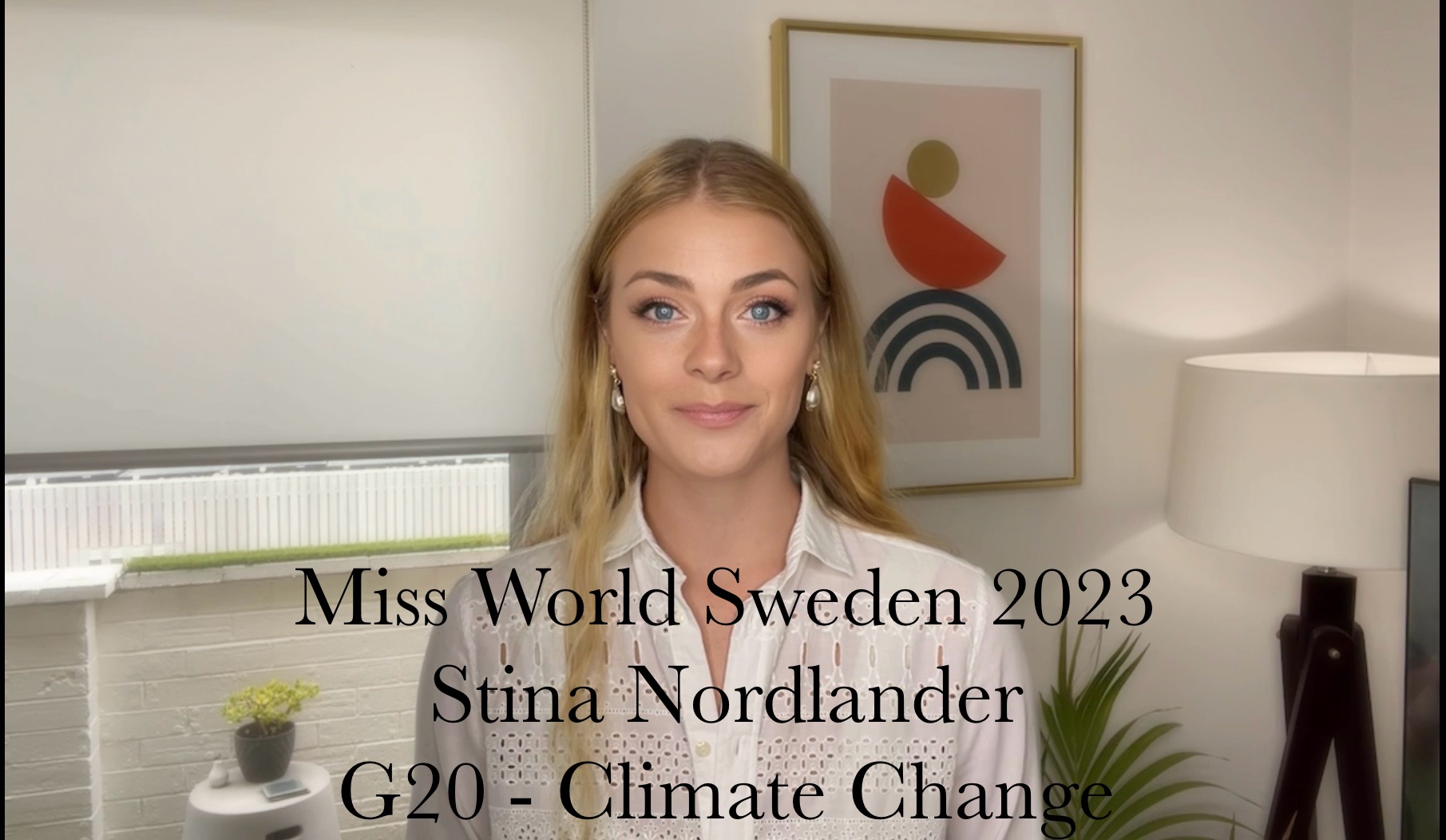
Miss World Sweden 2023 - Stina Nordlander
Swedish Professor Hans Rosling said:
“The five [global risks] that concern me most are the risks of global pandemic, financial collapse, world war, climate change, and extreme poverty. Why is it these problems that cause me most concern? Because they are very likely to happen."
We’ve just experienced a global pandemic, which also led to financial crisis around the world. We have ongoing wars that affects nations across the globe and more than 700 million people lives in extreme poverty. These are facts.
But the fifth global risk, the climate change, is more difficult to describe and understand.
Climate Change
The summer of 2003 an unexpected heat wave hit Europe and killed nearly 100.000 people. That’s when I heard about climate change and the global warming the first time.
Heatwaves over land have become more frequent and more intense in almost all world regions since the 1950s. Climate change will lead to more very hot days and fewer very cold days.
Today, I stand before you to address a critical issue that affects every single one of us - climate change.
The evidence is overwhelming, and the consequences are dire. We are witnessing rising global temperatures, melting ice caps, extreme weather events, and the loss of biodiversity. The impact of climate change is not a distant threat; it is happening now, and it is affecting communities around the world.
The Science of Climate Change
The science behind climate change is unequivocal. Human activities, particularly the burning of fossil fuels and deforestation, have significantly increased the concentration of greenhouse gases in the atmosphere. This has led to a phenomenon known as the greenhouse effect, trapping heat and causing the Earth’s average temperature to rise. The Intergovernmental Panel on Climate Change (IPCC) has provided extensive research and reports confirming these findings.
The Consequences
The consequences of climate change are far-reaching and multifaceted. From more frequent and severe natural disasters to disruptions in agricultural patterns, the effects are being felt globally. Sea levels are rising, threatening coastal communities and island nations. The livelihoods of millions are at risk due to changing weather patterns impacting agriculture and water resources.
Our Responsibility
As inhabitants of this planet, we all share a responsibility to address climate change. We must transition to sustainable energy sources, reduce our carbon footprint, and embrace environmentally friendly practices. Governments, businesses, and individuals must work together to mitigate the impacts of climate change and adapt to its effects.
The Call to Action
We cannot afford to be complacent in the face of such a monumental challenge. It is imperative that we take decisive action now to safeguard the future of our planet for generations to come. We must advocate for policies that prioritize environmental conservation and support initiatives aimed at reducing emissions.
Climate change is not just an environmental issue; it is a humanitarian crisis that demands urgent attention. Let us stand united in our commitment to combat climate change and strive for a sustainable future for all.
Thank you.
- Intergovernmental Panel on Climate Change (IPCC): The IPCC is a leading international body for the assessment of climate change. It provides comprehensive reports based on scientific research and serves as a key authority on climate science.
- National Aeronautics and Space Administration (NASA): NASA conducts extensive research on Earth’s climate system and provides valuable data on climate change through satellite observations and scientific studies.
- United Nations Framework Convention on Climate Change (UNFCCC): The UNFCCC plays a crucial role in addressing climate change at a global level by facilitating international cooperation and negotiations among countries to combat this pressing issue.
Comments

Powered by RoundtableBuilt on infrastructure designed for real-time media. Learn more at RTB.io.© Roundtable 2026. By using this site you agree to the Terms of Use and Privacy Policy