


Feb 17, 2022 2:25 AM
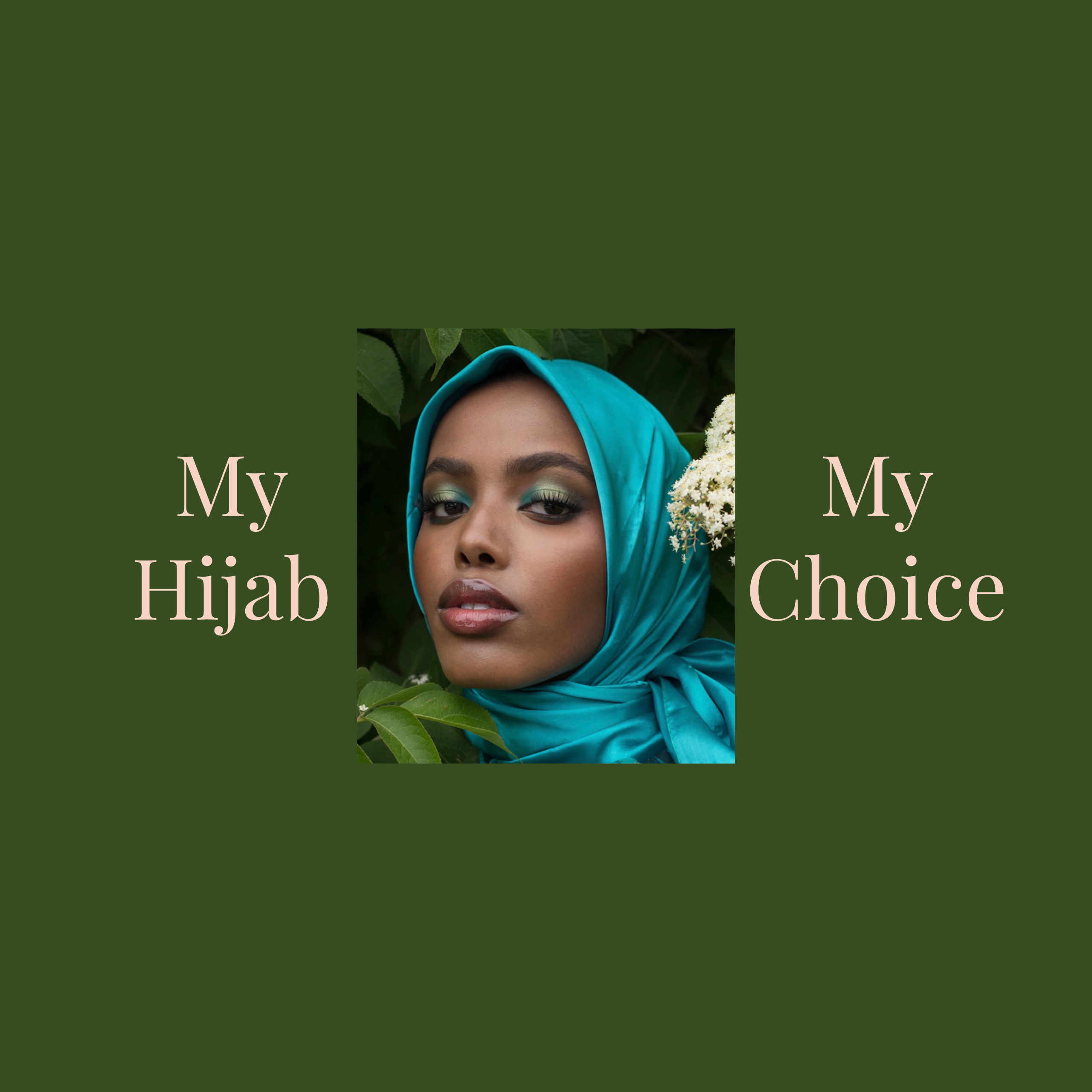
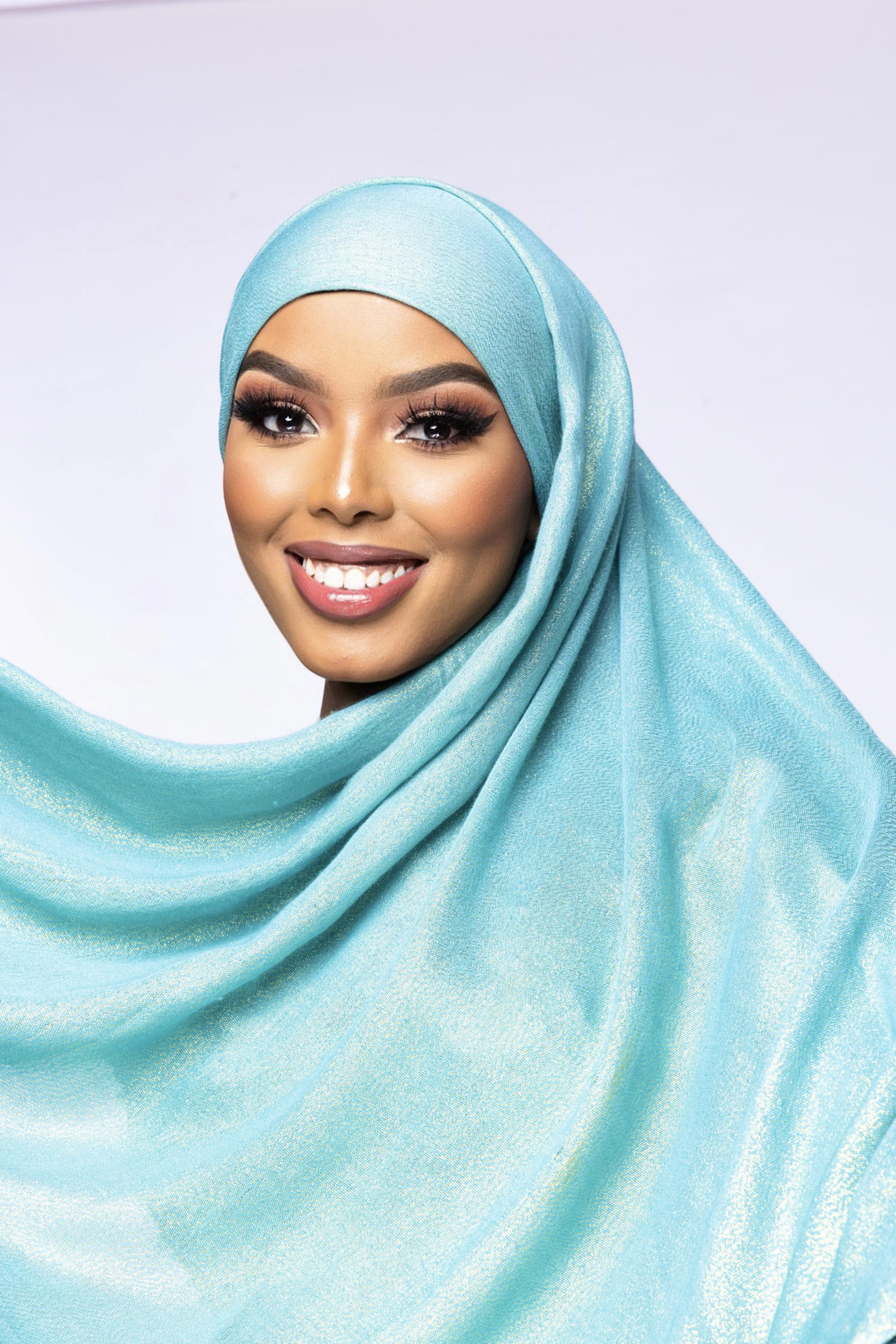
Living in a society that fights for equality and feminism, and engages in conversations like ‘my body my choice’, Khadija Omar, Miss World Somalia asks why her choice to wear a hijab, is looked at as ‘the wrong one’. It makes her wonder if feminism truly includes Muslim women.
The last couple of days have been really hard for me; receiving negative comments about my hijab, getting hate for deciding to wear a hijab in a beauty competition, and all the recent negative news surrounding hijabi women. I usually don't let negativity take a toll on me, but with all that is happening around the world to my fellow hijabi girls, I refuse to remain silent.
In India, a ban has been made against Muslim girls wearing their hijabs. The Karnataka High Court has ruled for restrictions against hijabi girls, stopping them from entering their classes. Education is a basic human right. This ban is taking away their basic human rights; their rights to freely manifest their religious beliefs, to freedom of expression, and to education without discrimination, which is under the international human rights law.
It is the year 2022 and hijabi women are still forced to pick between their education and their identity. Only, it's not just their education- it’s their everyday life because in today’s world, “a piece of clothing” is seen as a threat. But it doesn’t just stop at India; other countries such as Austria, Denmark, France, Belgium, Bulgaria, Netherlands, China, Sri Lanka, and Switzerland are among the countries that have banned hijabs and face veils.
I can’t help but wonder, why the world is so obsessed with Muslim women's dress code. I first noticed how the world portrayed us Muslim girls at age 10; the western world has viewed my hijab as a sign of ‘oppression’, and constantly at the mercy of male domination for as long as I can remember. The media has connected my hijab to terrorism, creating an unfair and dangerous stereotype toward young girls and women, stopping hijabi women from simply living or getting a job because people believe the hijab may not have ‘a place in their work environment’. We are constantly faced with discrimination because it declares us openly as Muslim, a statement that we are more than proud of.
It is heartbreaking, that in a society that fights for equality and feminism, and engages in conversations like ‘my body my choice’, my choice is looked at as ‘the wrong one’. It makes me wonder if feminism truly includes Muslim women.
Being a black hijabi woman, a discriminative environment is not new to me. At times I would struggle to wear my hijab because of how the world viewed it. I would take it off to fit in and seek approval from people who would look down on me otherwise. The difference between both instances was quite clear, so much so that at job interviews I was more likely to get a job if I was not wearing my hijab. I face discrimination, hate, harassment, bullying, and wonder if it is because my skin colour, my religion. . . or both?
It's disappointing to see how the world has viewed the meaning of the hijab when it is simply a portrayal of modesty. It is a sense of empowerment, to us Muslim woman, a choice we make to show that we stand strong in our beliefs.
My generation is constantly fighting for freedom of expression and religion but when it comes to Muslim women's rights the world seems to go silent. It’s time we speak up against the hate targeted towards muslim women. We need to come together, and change the narrative, stop viewing us as violent and threatening, let's break streotypes and work towards peace and unity for all.
In exactly 30 days I will be on the Miss World stage, one of the oldest and largest beauty pageants in the world. I will be representing my country Somalia, not only as the first Somali, but as the first hijabi woman to ever take the stage. With this spotlight, I hope I can change the narrative of how we are viewed, and be a voice for my sisters who can’t speak for themselves.
Black•Racism•Discrimination•Hijabi,•Missworld•Hijab•Khadijaomar•Misssomalia•Missworld2021•Missworldsomalia
Comments

Powered by RoundtableBuilt on infrastructure designed for real-time media. Learn more at RTB.io.© Roundtable 2026. By using this site you agree to the Terms of Use and Privacy Policy