



Mar 2, 2024 7:48 PM
The Bengal Tiger is a National animal of India and bears importance to the country’s psyche for millennia.
Stories of the Tiger’s reverence is interwoven with Legends of Gods and mythical beings.
Representation of Tigers and Gods date back to 3300-1300 BCE, and traces its origin from the Indus River Valley Civilization also known as the “Harappan Civilization”
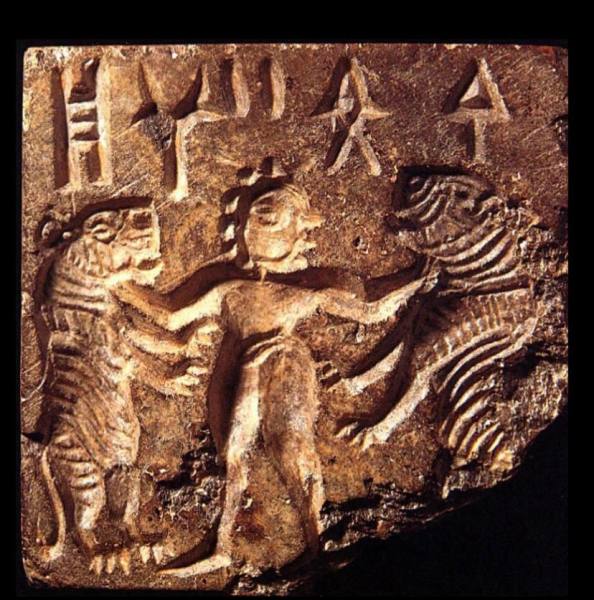
The Harappan seal has a famous depiction of a Female deity with each hand grasping a tiger by the throat. One can interpret that, this is an early depiction of human-tiger conflict. This resonates to the ongoing environmental issues and tiger habitat depletion due to human activities which needs addressing today.
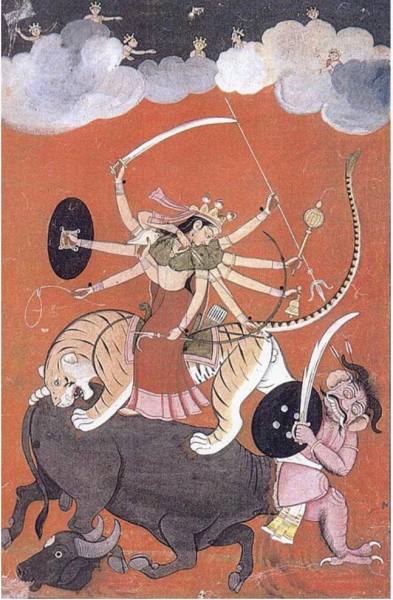
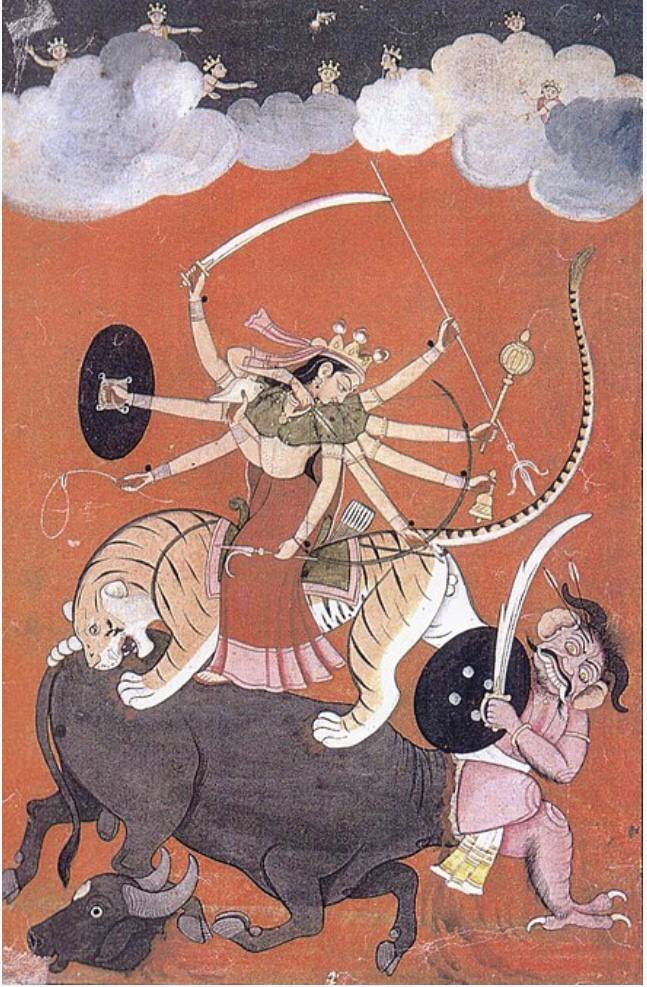
Durga, the mother Goddess associated to protection, strength, motherhood, destruction and war is depicted riding a tiger with many arms fighting and defeating demons. The tiger indeed is a symbol of stength and stability, but today the dwindling numbers of tiger population is a reminder of the frailty of this creature.
Indeed, Tigers and the lives of the people of India have thus been long connected. This is also evident in the Epic of Mahabharata, where the Tiger holds a significant stature. In one of its verses it states, “The forest which has tigers should never be cut, nor should the tigers be chased away from the forest.
”This text alone signifies a special spiritual relationship with tigers & describes the role tigers play in protecting India’s forests.
Indeed, the tiger perishes without the forest, and the forest perishes without its tigers. The connection of this magical creature to Indian culture through its mythology is one of the reasons why we should continue to protect and conserve the Bengal Tiger.
Endangering the Bengal tiger would mean endangering the heart and soul of Indian culture since this magnificent beast holds cultural significance.
Saving the tiger is preserving & Saving Indian culture.


Comments

Powered by RoundtableBuilt on infrastructure designed for real-time media. Learn more at RTB.io.© Roundtable 2026. By using this site you agree to the Terms of Use and Privacy Policy