

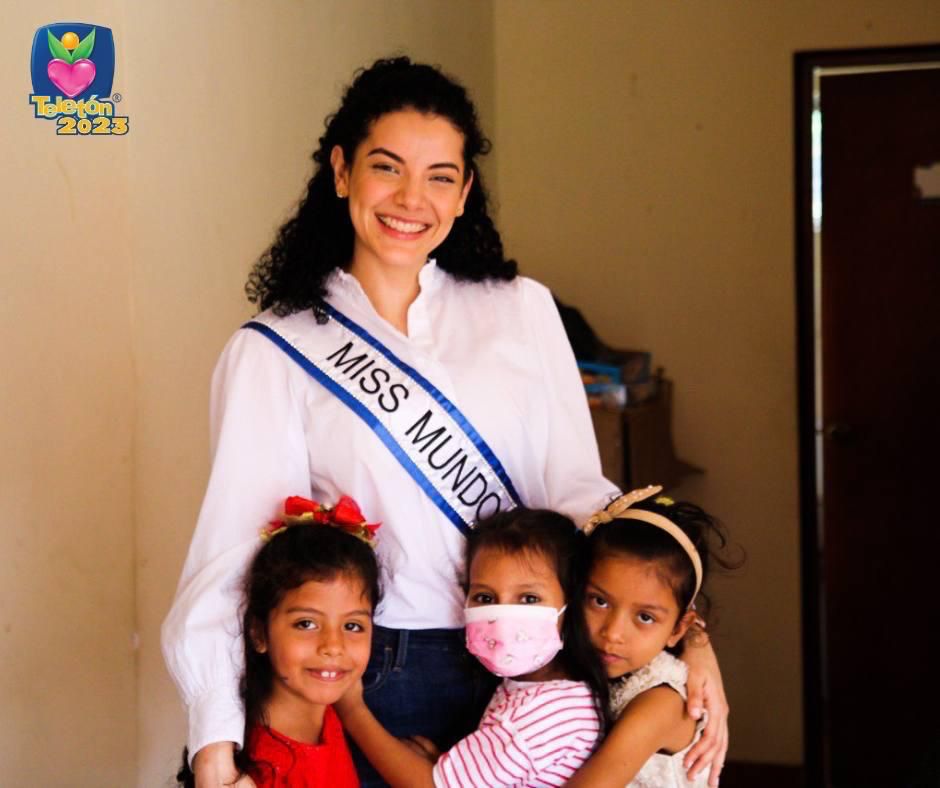


Supporting and raising the visibility of children with disabilities is also vital to empowering families
In a world that constantly seeks inclusion and equality, it is critical to turn our attention to those who often face additional challenges: children with disabilities. Making these children visible and supportive is not only a show of empathy and solidarity, but also a collective responsibility that is incumbent upon all of us as a society.
Raising Awareness and Challenging Stigmas
One of the most important aspects of making the cases of children with disabilities visible is to challenge the stigmas and stereotypes that can surround disability. By highlighting the stories of these children and their families, we can educate society about the diverse ways in which disability can manifest itself and show that every individual deserves respect, dignity and equal opportunities.
Promoting Inclusion and Diversity
By making children with disabilities visible, we are also promoting inclusion and diversity in all areas of life. From access to education and health care to participation in recreational and social activities, it is crucial to ensure that these children have the same opportunities as their non-disabled peers. In doing so, we not only enrich the lives of children with disabilities, but we also enrich our own communities by valuing diversity and inclusion.
Empowering Families and Caregivers
Supporting and raising the visibility of children with disabilities is also vital to empowering families and caregivers who face unique challenges in their day-to-day lives. By sharing resources, experiences and advice, we can create strong support networks that help these families navigate the challenges they face and celebrate their children's accomplishments.
Inspiring Action and Change
Finally, by bringing visibility to the cases of children with disabilities, we are inspiring others to take action and be agents of change in their own communities. Whether by advocating for more inclusive policies, supporting local charities, or simply showing compassion and empathy in our daily interactions, we can all contribute to creating a more inclusive and accessible world for all.
In conclusion, supporting and making visible the cases of children with disabilities is more than a responsibility; it is an act of humanity and solidarity that enriches our lives and strengthens the fabric of our society. Every child, regardless of ability, deserves love, respect and the opportunity to reach his or her full potential. It is our collective responsibility to ensure that this is fulfilled.
