



Miss Côte d’Ivoire Elevates Hambol’s Identity in a Stirring Celebration of Her Heritage
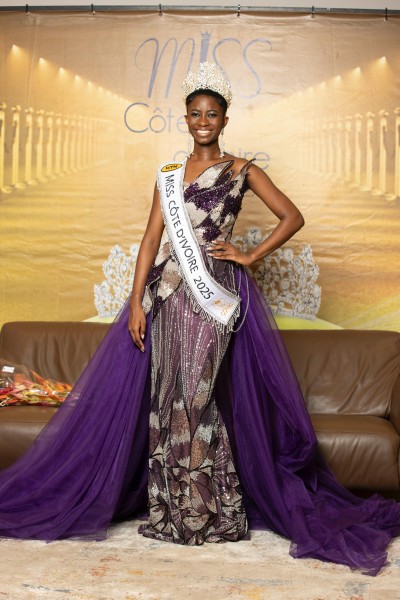
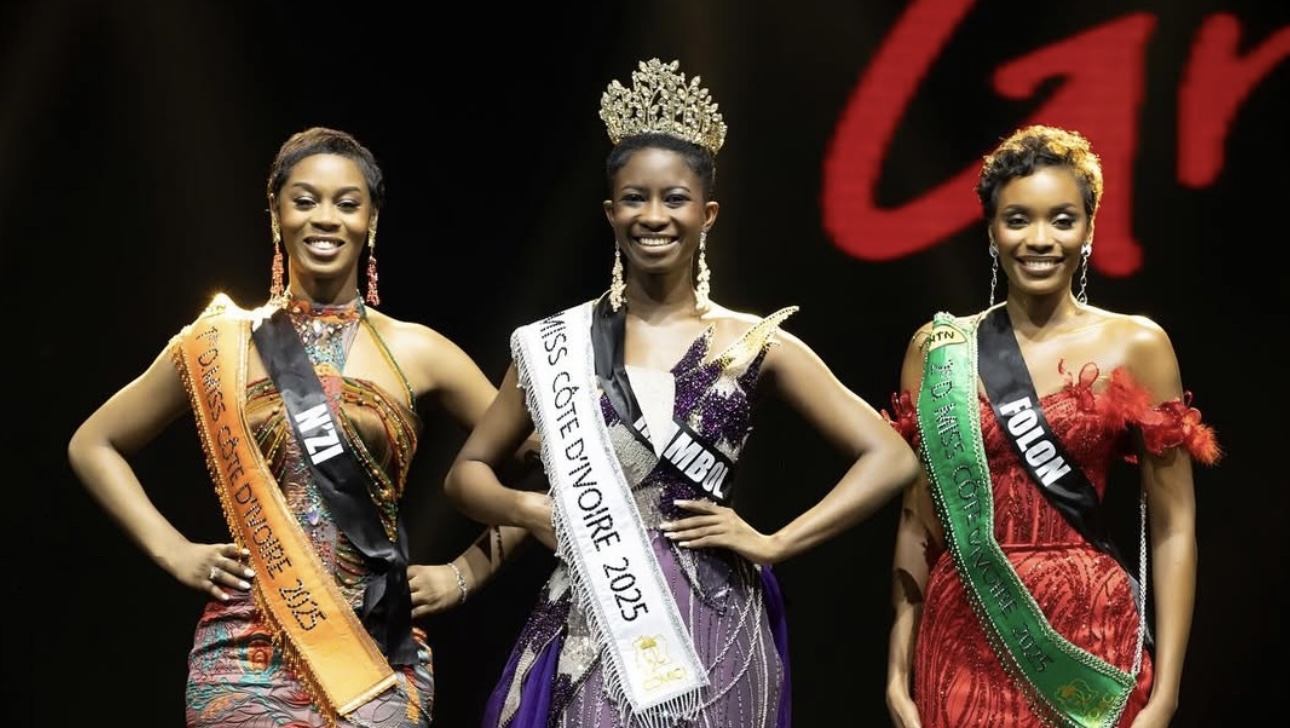
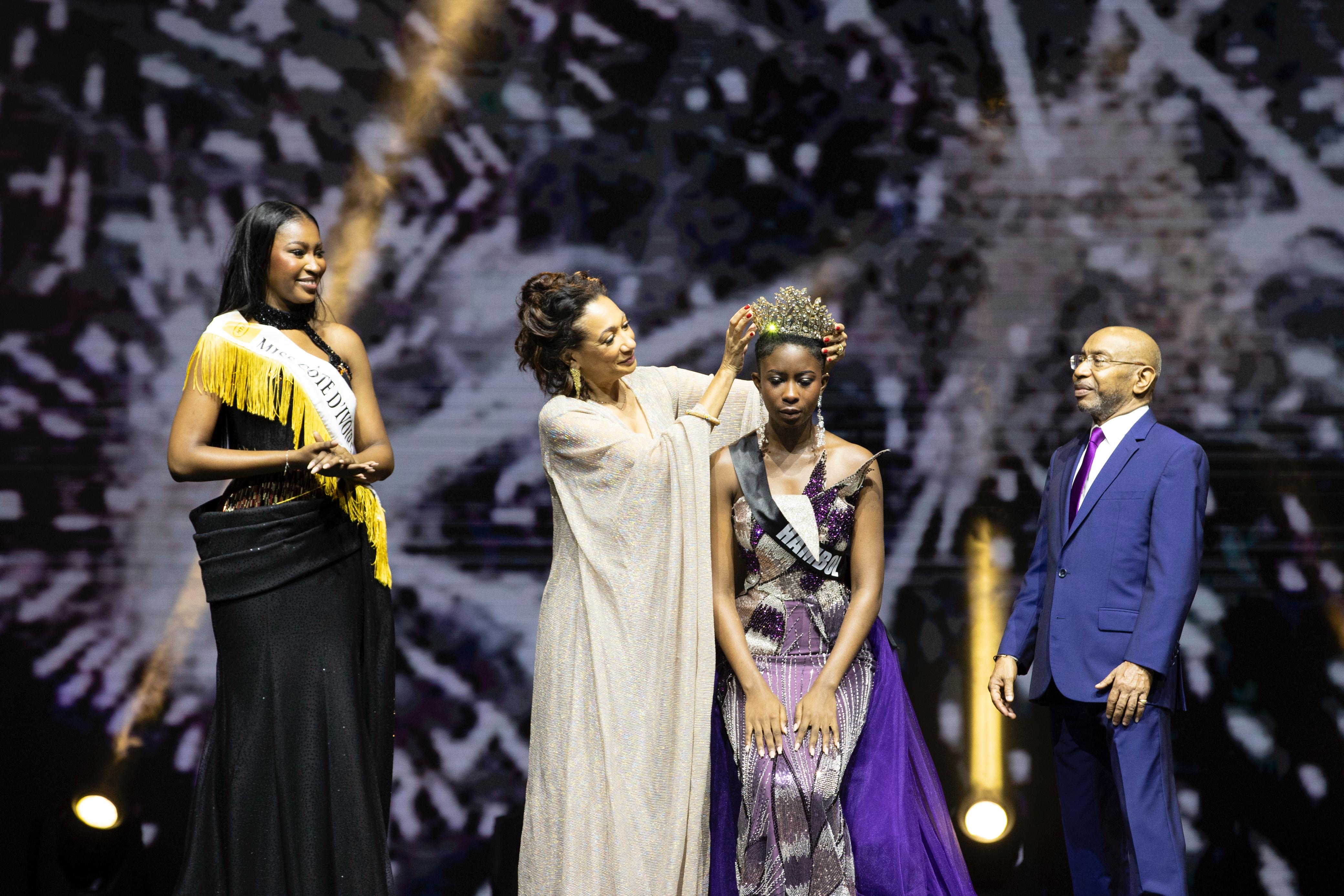
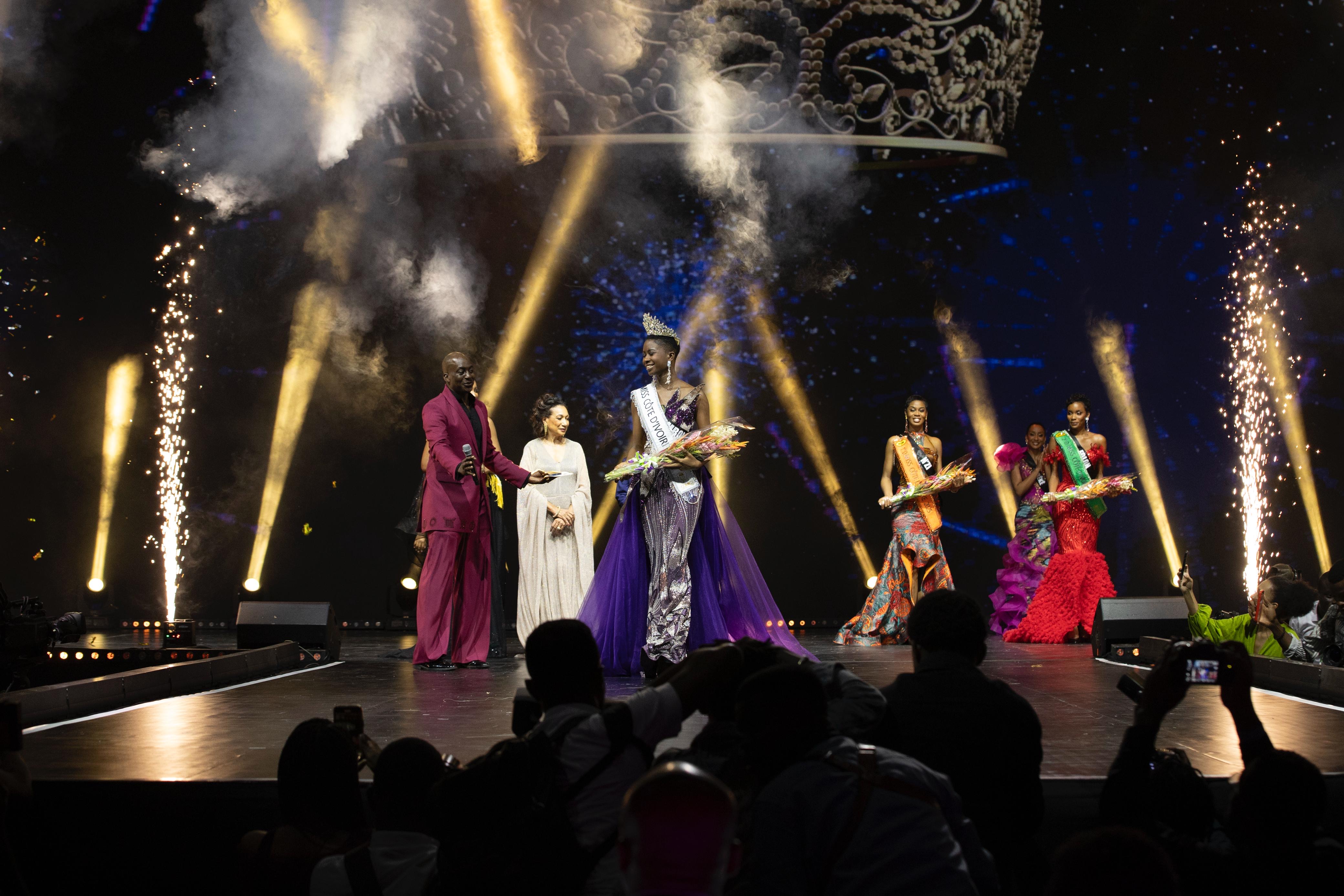
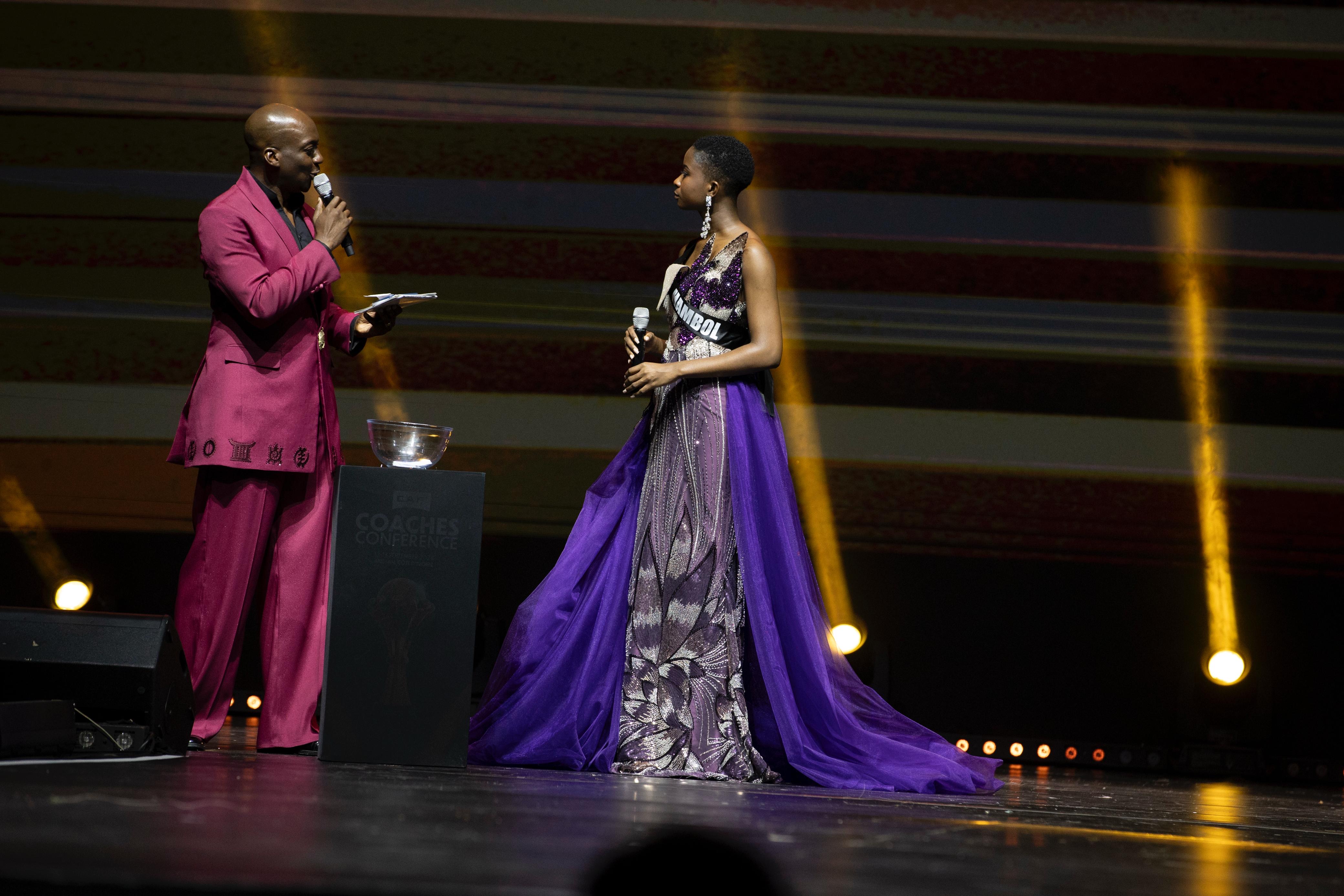
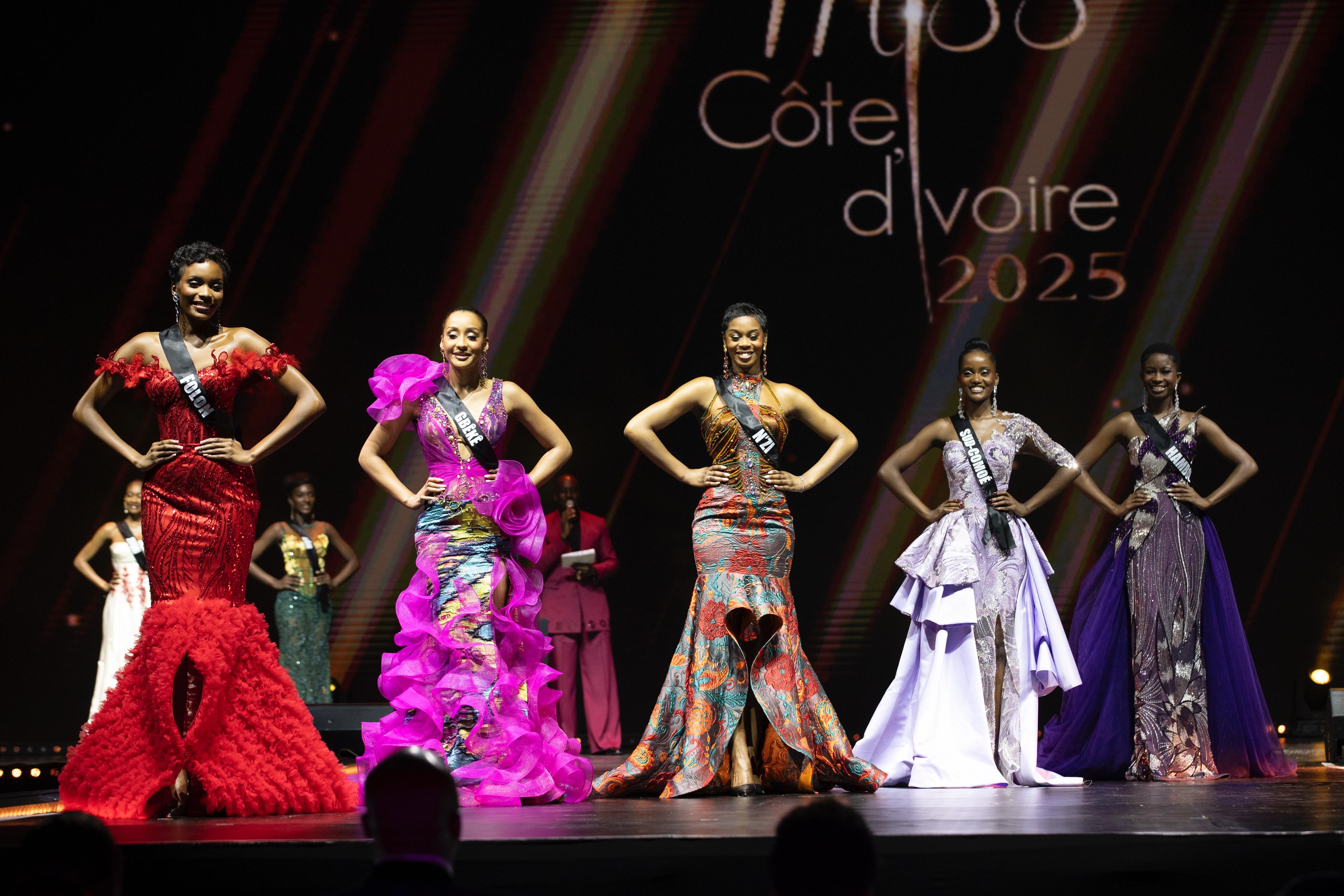
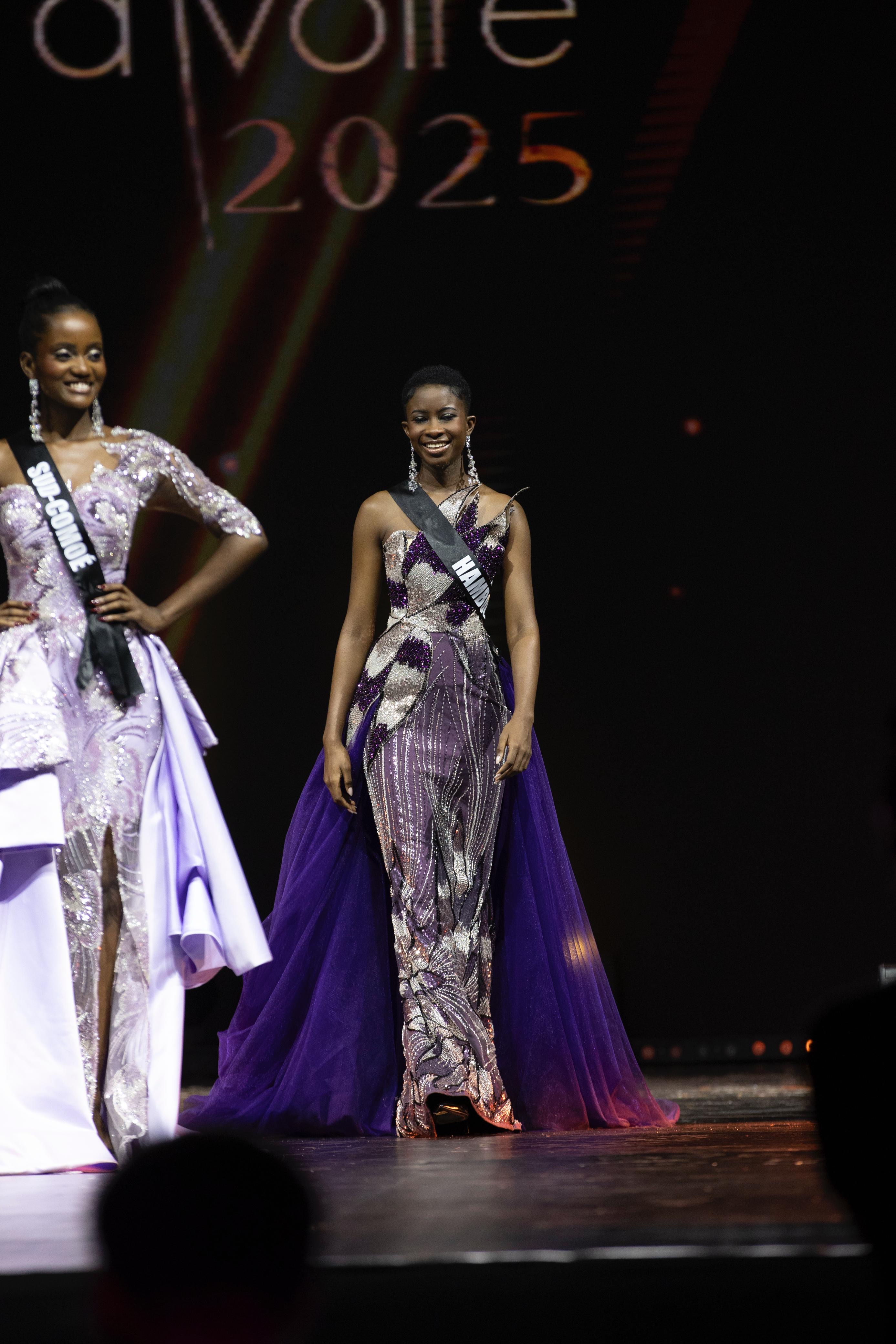
The 29th edition of Miss Côte d’Ivoire culminated in the crowning of Fatima Koné, the representative of the Hambol region, during a spectacular ceremony held in Abidjan.
Fatima Koné, at just 21 years old, is pursuing a Master’s degree in Professional Communication, having already completed a Bachelor’s in International Studies. Fatima will represent Côte d’Ivoire at the 73rd Miss World Festival, in 2026.
The 2025 edition of Miss Côte d’Ivoire introduced several reforms aimed at elevating authenticity and cultural pride. Key changes included a new policy requiring natural hair, excluding wigs or extensions, and updated eligibility criteria such as a minimum height of 1.67 m (barefoot) and an extended maximum age of 27 years.
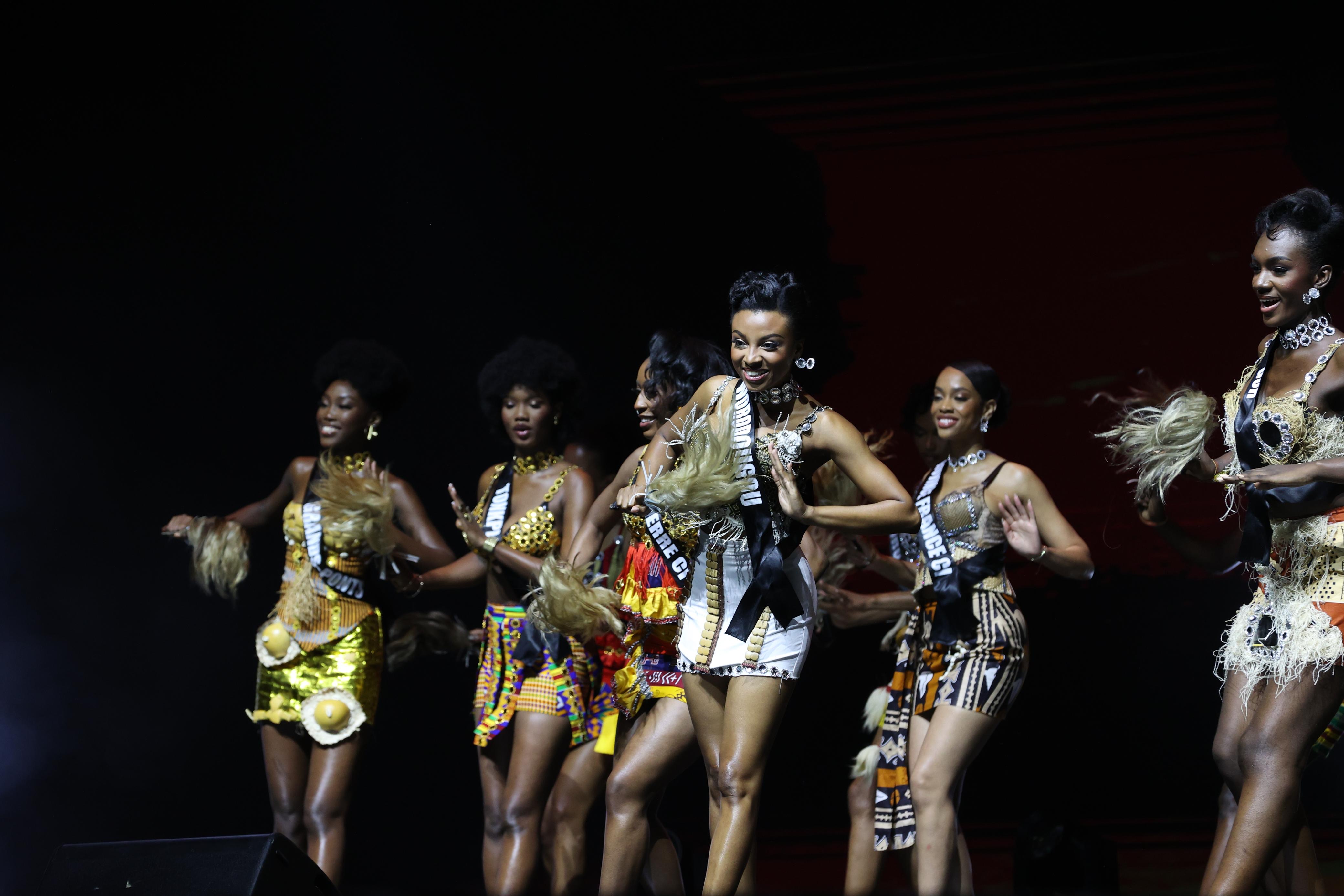
This year’s contest embraced the theme: “What promotional contribution can the Miss Côte d’Ivoire contest make to culture and tourism?”, positioning contestants as ambassadors of Ivorians’ rich heritage and global identity.
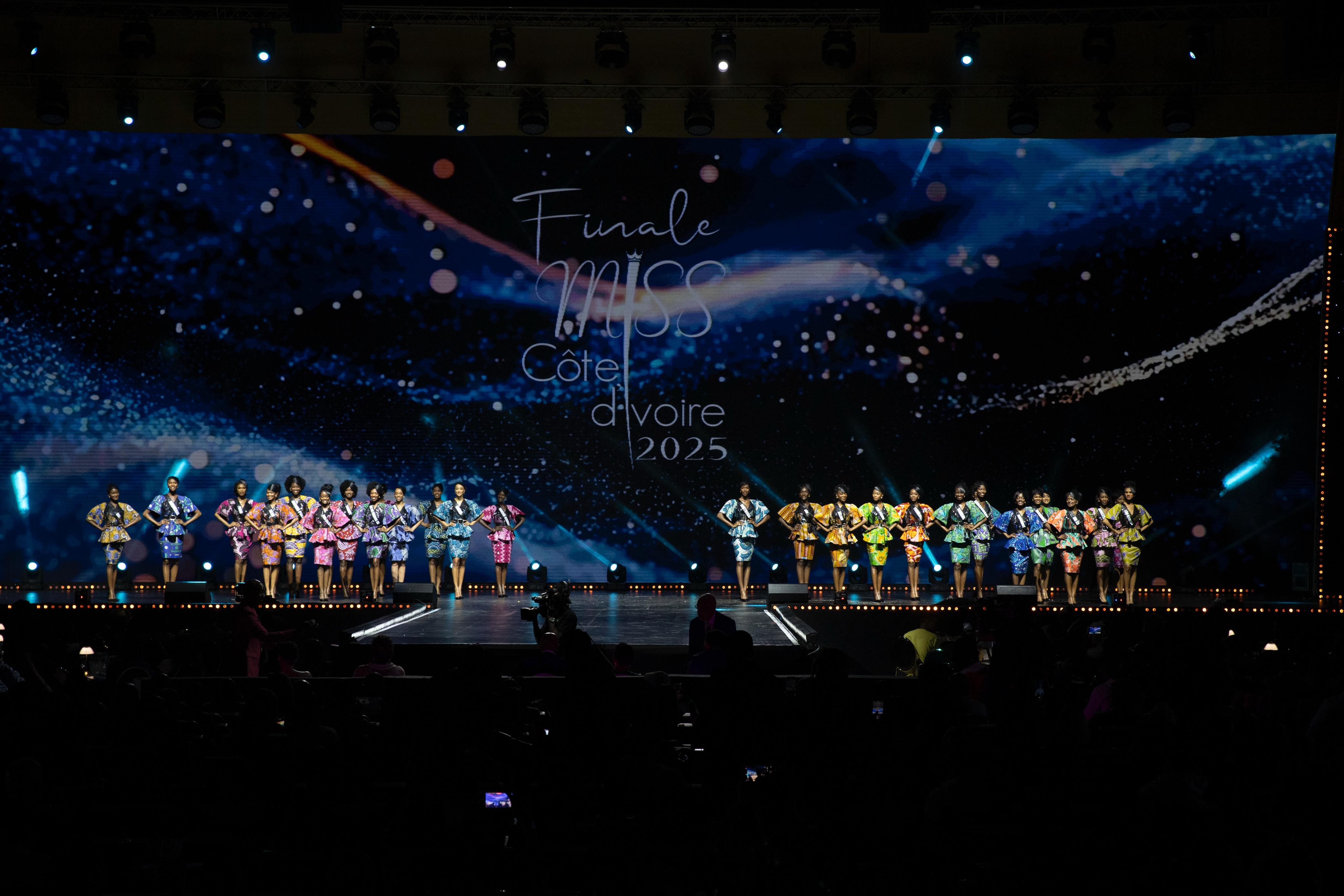
The national competition unfolded across 13 stages, launching in Daloa on February 15 and spanning regions such as Odienné and Bouaké, culminating in the grand finale on June 28 in Abidjan.
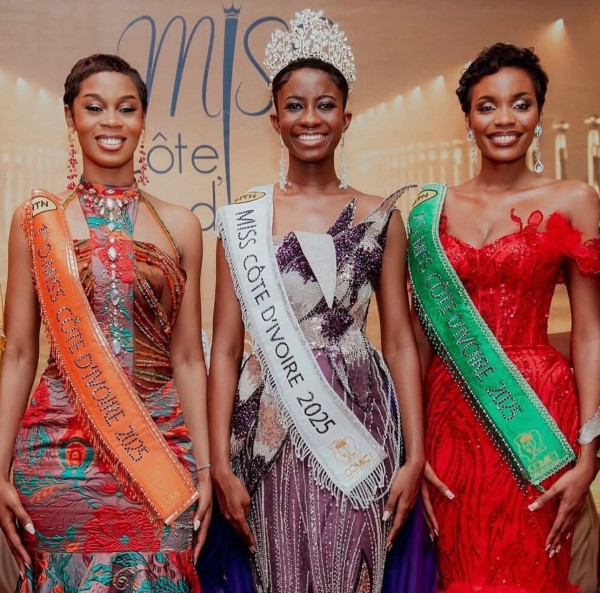
Diane Gouano (representing N’Zi), was the first runner-up, and Marie-Axelle Gbogou (representing Folon), the second runner-up.
Photo gallery:
“I Am Hambol”, A Poetic Tribute from Miss Côte d’Ivoire 2025, Fatima Koné
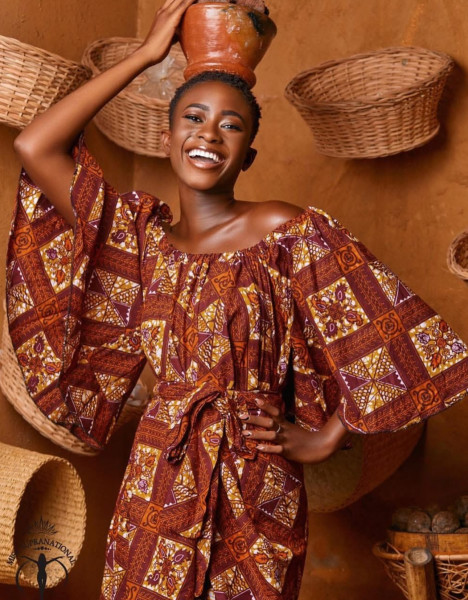
In a personal declaration posted on her Instagram account, newly crowned Miss Côte d’Ivoire 2025, Fatima Koné, offered the nation a poetic tribute to her region of Hambol, capturing the soul of the land she proudly represents.
Rooted in the heart of north-central Côte d’Ivoire, Hambol is more than geography, it is a living mosaic of tradition, diversity, and promise. Stretching over 19,000 km², bordered by seven other regions, it stands as a crossroads of cultures, where coexistence between indigenous, migrant, and nomadic peoples forms the bedrock of a harmonious society.
Fatima’s words painted a vibrant portrait of her people, the Tagbana, Djimini, Djamala, Mangoro, and Malinké, and of the region’s identity forged through hospitality, fertile lands, ancestral art, and a spirit of resilience. “I am the land of gold, diamonds, cashews, cotton, and bananas,” she wrote, describing the agricultural wealth that nourishes Côte d’Ivoire and provides for generations.
From rice, maize, millet, and groundnuts to chili peppers and okra, Hambol is a land of abundance, transformation, and potential. But for Fatima, its greatest treasure is not found in its soil, it lies in its people: “I am human capital. My youth is vibrant. My women are dynamic, organized, and life-giving.”
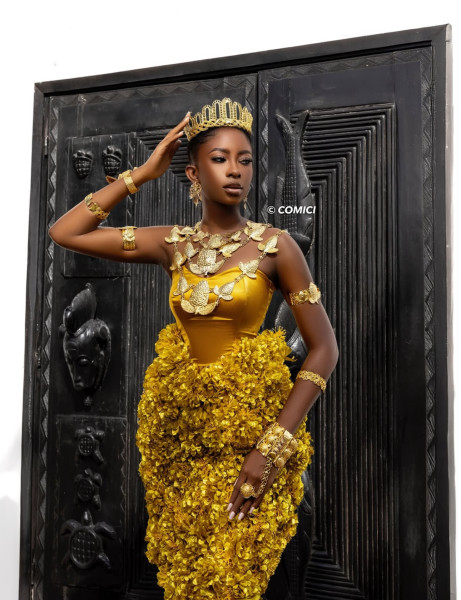
She also celebrated the region’s culinary traditions and cultural expressions, naming local dishes and rituals like the foutou d’igname, sauce arachide aux feuilles de Daha, and traditional dances such as Gbofé, Tassa, and Nangbôgô. She paid homage to the masterful craftswomen of Mangoro, who shape clay into jars and utensils, passing down skills from mother to daughter, “guardians of a millennia-old knowledge.”
From the sacred forests of Dabakala to the majestic Mount Niangbo and the calm waters of Lake Tortiya, she calls on the world to discover Hambol’s hidden treasures, inviting a new kind of tourism: one of respect, depth, and authenticity.
“I am Hambol, and I am proud of who I am,” Fatima concludes.
Congratulations!
