BWAP 2026 - Venezuela


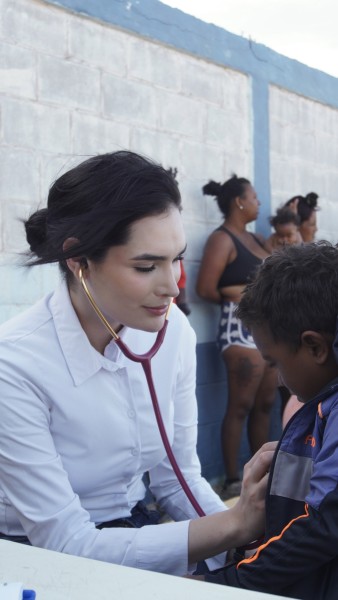
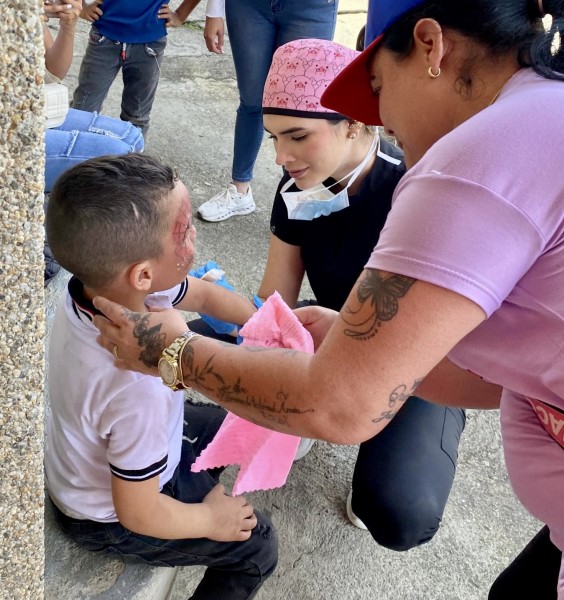
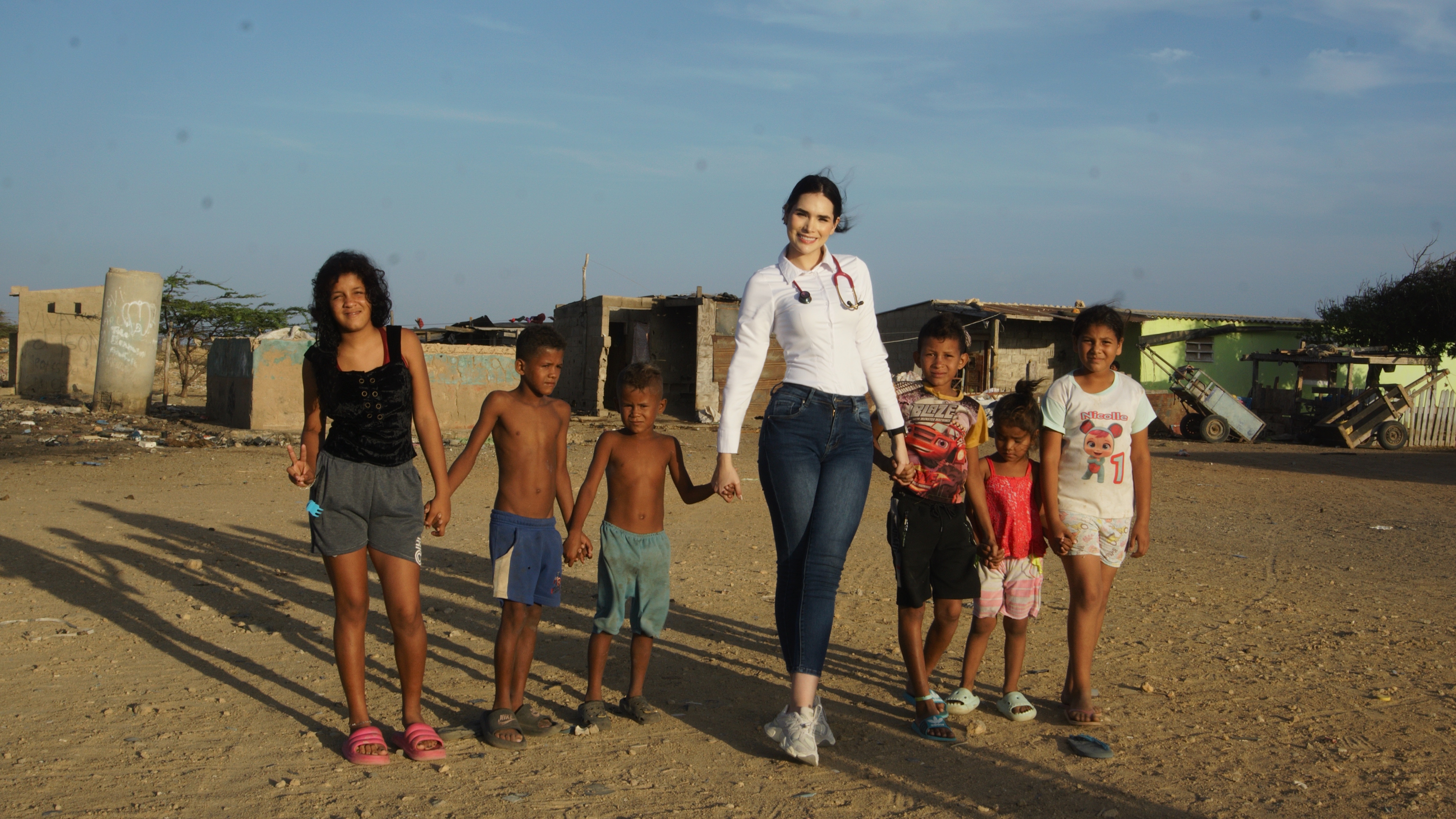
Through her project “Seeds of Life,” Mística Núñez works to combat child malnutrition in Falcón by transforming a preschool into a hub for nutrition, health, and community support.
Seeds of Life: Nurturing the Future of Falcón
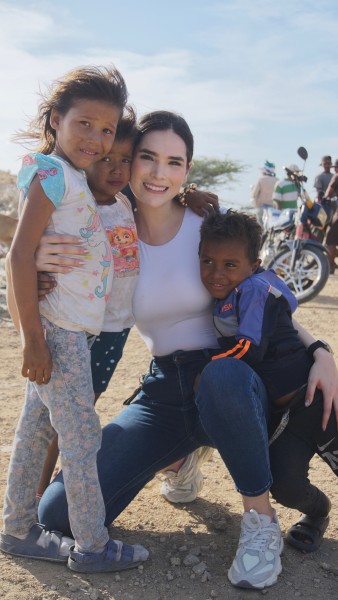
By Mística Núñez
“Because in my land, the most important seeds are our children.”
1. Executive Summary
“Seeds of Life” is an urgent response to the Critical Humanitarian Emergency in the state of Falcón, which currently records the highest rate of acute child malnutrition in Venezuela (16.2%). The intervention is strategically focused on the “Monseñor Tomás Jesús Zárraga” National Center for Early Childhood Education (C.E.I.N.), located in the Tiguadare urbanization.
This area of extreme vulnerability, adjacent to the Carirubana sanitary landfill, faces severe food insecurity aggravated by a hostile environmental landscape and the collapse of basic services.
Our central purpose is to guarantee the nutritional recovery and cognitive development of students across three preschool sections (children aged 3–5), transforming the school into a hub for health and nutrition.
The strategy is based on a circular care model with three pillars:
• Assistance: Implementing a balanced school feeding program and therapeutic supplementation under WHO/RUTF protocols.
• Education: Training mothers and caregivers in “Emergency Cooking,” food hygiene, and Water, Sanitation, and Hygiene (WASH) practices.
• Sustainability: A self-management model driven by community effort and technical oversight.
With an investment of $15,000, we aim to recover 85% of children with nutritional deficits and reduce water-borne school morbidity by 50%, reclaiming the intellectual capital necessary for these children to complete their preschool education successfully.
Keywords: Child malnutrition, C.E.I.N., Monseñor Tomás Jesús Zárraga, Tiguadare, School Food Security, Falcón.
2. Situational Diagnosis
a. Context
Falcón State is experiencing a complex humanitarian emergency that affects children with particular severity.
According to the latest SAMAN Bulletin from Cáritas Venezuela, Falcón has a global acute malnutrition (GAM) prevalence of 16.2%. This exceeds the 15% “critical emergency” threshold established by the World Health Organization (WHO).
This crisis is compounded by a breakdown in infrastructure:
82% of the population lacks consistent access to safe drinking water.
In Tiguadare, families often resort to waste picking at the nearby landfill to survive, exposing children to high bacterial loads.
At this critical stage of development, hunger is not only a physical deprivation; it becomes a barrier to learning and a pathway toward structural poverty.
b. Institutional Identity
Led by: Mística Núñez and the Mothers’ Committee of C.E.I.N. Monseñor Tomás Jesús Zárraga.
Mission:
To transform the nutritional reality and academic performance of children at C.E.I.N. Monseñor Tomás Jesús Zárraga through high-impact strategic interventions, ensuring that malnutrition never becomes a barrier to a child’s right to education.
Vision:
To establish the school as a benchmark for School Food Security in Falcón, demonstrating that a hostile environment can be transformed into an oasis of health and opportunity through collective will.
3. Goals (SMART)
General Objective
To guarantee the integral development and nutritional recovery of children (ages 3–5) at C.E.I.N. Monseñor Tomás Jesús Zárraga over a 12-month period through a high-impact system of safe feeding, primary health care, and community training.
Specific Objectives
- Evaluate: Assess 100% of the students’ nutritional status in Month 1 to establish a scientific baseline.
- Equip: Rehabilitate the dining and kitchen areas according to international sanitary and WASH standards during the first quarter.
- Supply: Provide daily balanced lunches and Ready-to-Use Therapeutic Food (RUTF) for critical cases.
- Empower: Certify mothers in “Emergency Cooking” and safe food handling to ensure community self-management.
- Monitor: Implement monthly anthropometric monitoring (weight/height) to verify progress.
4. Methodology and Action Plan
“The Path of the Seed”
The project moves beyond conventional social aid toward a model of collaborative governance.
5. Resources and Budget
Human Talent
The project is led by Mística Núñez, supported by a part-time nutritionist, an allied pediatrician, the Mayor’s Offices of Carirubana and La Vela for logistics, and Jumpark Mérida for psychomotor stimulation and recreation.
Annual Budget Estimate ($15,000)
• Infrastructure & Rehabilitation — $1,500
• Industrial Equipment — $2,000
• WASH (Safe Water System) — $800
• Daily Nutrition (43 children) — $7,200
• Health & Supplements — $1,500
• Education & Kits — $800
• Logistics & Operations — $1,200
6. Social Impact
• Educational Rescue: Preventing irreversible cognitive delay and allowing 43 children to reach their full intellectual potential.
• Female Leadership: Mothers transition from “aid recipients” to “Managers of Wellbeing,” protecting their families from disease through newly acquired WASH knowledge.
• Community Cohesion: Dignifying the Tiguadare area and fostering a sense of belonging and organizational capacity.
• Quantifiable Success: We project a 90% reduction in acute malnutrition among direct beneficiaries in the short term.
References
• Cáritas Venezuela (2025). SAMAN Bulletin
• ENCOVI (2024). National Survey of Living Conditions
• UNICEF (2023). State of the World’s Children
• Constitution of the Bolivarian Republic of Venezuela