

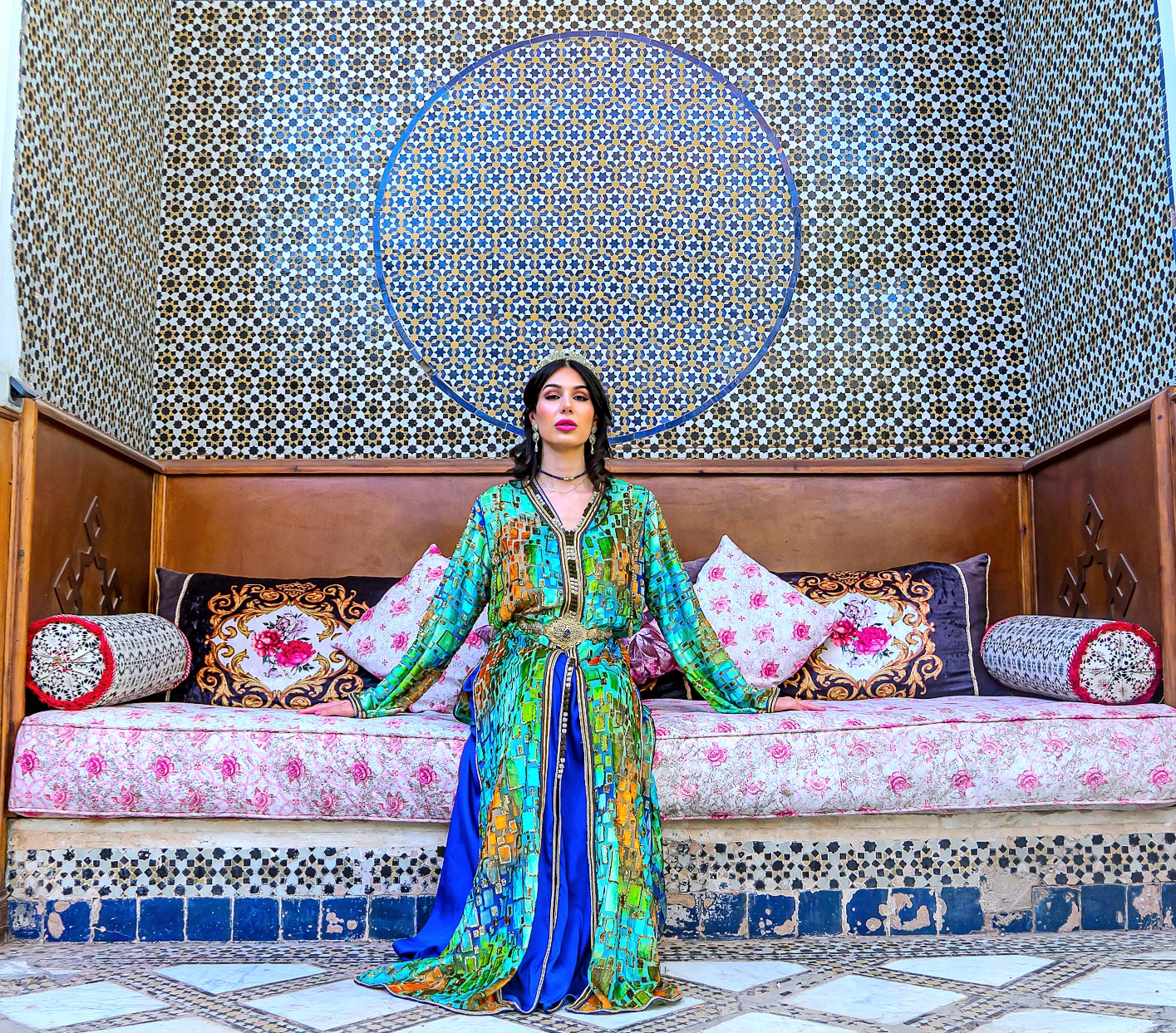


Feb 22, 2024 2:05 PM
A kaftan or caftan is a variant of the robe or tunic. Originating in Asia, it has been worn by a number of cultures around the world for thousands of years.
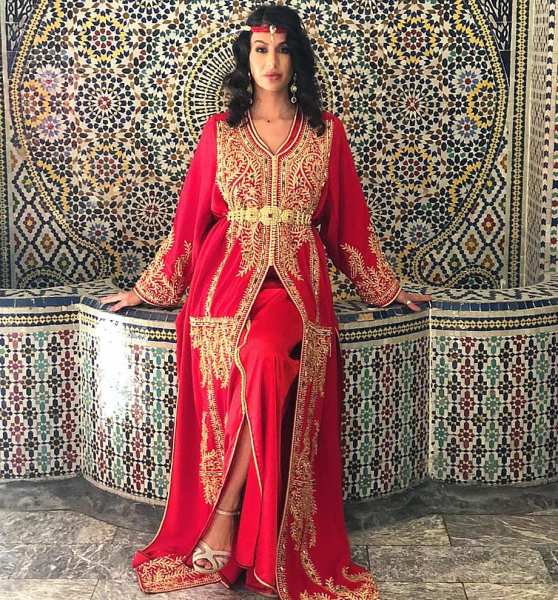
The caftan may be made of wool, cashmere, silk or cotton... It is sometimes accompanied by a sash (m'damma) made of finely chiseled solid gold and inlaid with a fakrone (turtle) in the center, supposed to bring happiness and protect from the evil eye.
This very old outfit will, however, undergo numerous changes throughout its history. According to the Encyclopedia of Islam, the kaftan was introduced into the Barbary States by the Ottomans and spread by fashion as far as Morocco. According to art historian Rachida Alaoui, the kaftan in Morocco dates back to the end of the 15th century and goes back to the region's Moorish history, which represents the medieval heritage of Al-Andalus.
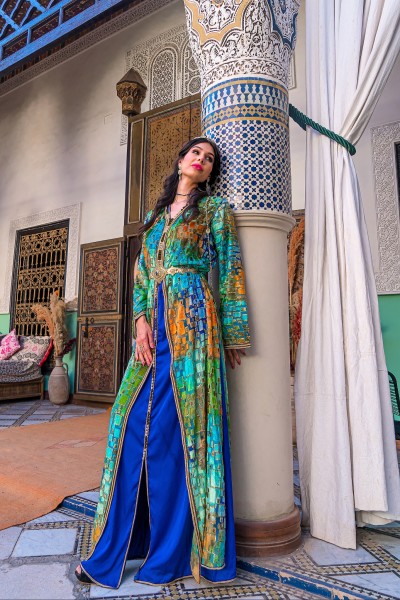
Before taking on its current definition, in other words Moroccan and feminine, the caftan was previously the prerogative of men. Initially, the caftan was reserved for royalty, simple and without ornaments. Worn by the dignitaries and women of the palace at first, it became fashionable among the middle classes from the late 17th century onwards It was only very late, in the 19th century, that this mixed clothing became exclusively feminine.
Each caftan has its own characteristics. Thus, in Morocco, the caftan is a long, one-piece dress. It is embellished with different ornamentation techniques resulting from the know-how of Moroccan artisans.
The Moroccan embroidery styles are almost all derived from the former regions of the Turkish empire, the introduction of gold thread embroidery into North Africa itself is reputed to have been introduced with Turkish rule.
Today in Morocco, kaftans are worn by women of different social groups and the word kaftan is commonly used to mean a "one-piece traditional fancy dress". Alternative two-piece versions of Moroccan kaftans are called takchita and worn with a large belt. The takchita is also known as Mansouria which derives from the name of Sultan Ahmad al-Mansur, who invented Al-Mansouria and the new fashion of wearing a two-piece kaftan.
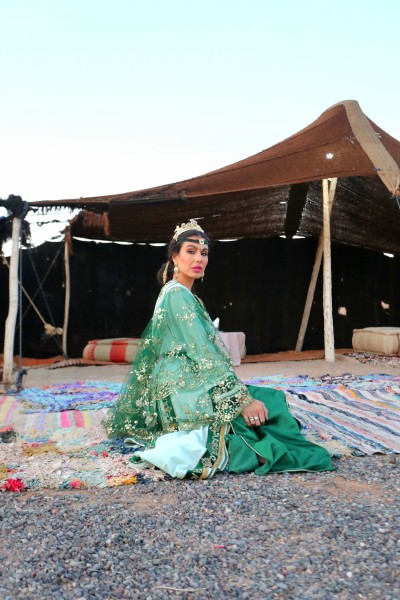
The Moroccan woman, eager for modernity, will push designers to revisit the caftan. Stylists will play a major role in its modernization while ancient civilizations abandoned their caftans, in Morocco the caftan will be a marriage between tradition and modernity. Nowadays and in the context of globalization, the Moroccan caftan crosses the borders of the Kingdom and shines internationally, being worn today not only by women in the Maghreb and the Middle East but also in Europe.
Comments

Powered by RoundtableBuilt on infrastructure designed for real-time media. Learn more at RTB.io.© Roundtable 2026. By using this site you agree to the Terms of Use and Privacy Policy