




Feb 27, 2024 4:04 PM
Tadoba National Park is located in the state of Maharashtra in India. It is Maharashtra's oldest and largest national park. Created in 1955, the reserve includes the Tadoba National Park and the Andhari Wildlife Sanctuary.
"Tadoba" is taken from the name of the god "Tadoba" or "Taru", worshipped by the tribes who live in the dense forests of the Tadoba and Andhari region, while "Andhari" refers to the Andhari river that meanders through the forest.
"Tadoba Andhari Tiger Reserve" is one of India's 47 project tiger reserves existing in India.

The reserve is famous for having one of the highest concentrations of Bengal tigers in the world, a feature that has made the national park very famous in India and made it an important ecotourism destination in the country.
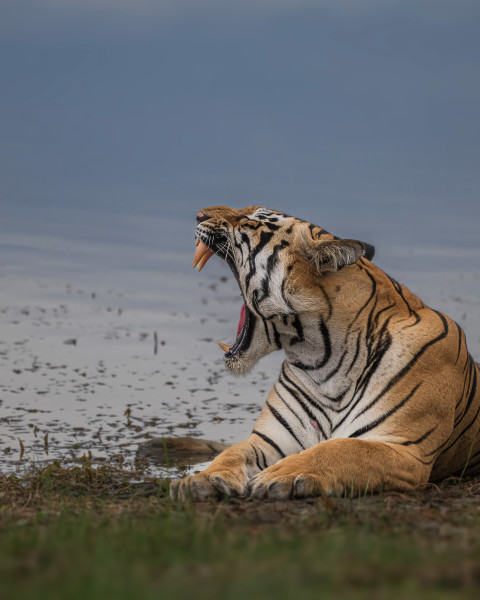
Tigers and forests are deeply rooted together. They live, breed, and hunt in groves, and as apex predators, these majestic species are a sign of a healthy ecosystem.
Protecting tigers also helps safeguard a range of critically important habitats and ecosystems. Likewise, each hectare protected as a tiger habitat has a multitude of economic benefits.

Tigers play a significant role in mitigating climate change. Tiger landscapes store more carbon than any other forest in any region. Protected forests in the tiger reserve in Asia are the most effective carbon stores in the entire world.
Save the tigers save the kids of nature

Comments

Powered by RoundtableBuilt on infrastructure designed for real-time media. Learn more at RTB.io.© Roundtable 2026. By using this site you agree to the Terms of Use and Privacy Policy