



Mar 7, 2024 9:37 PM
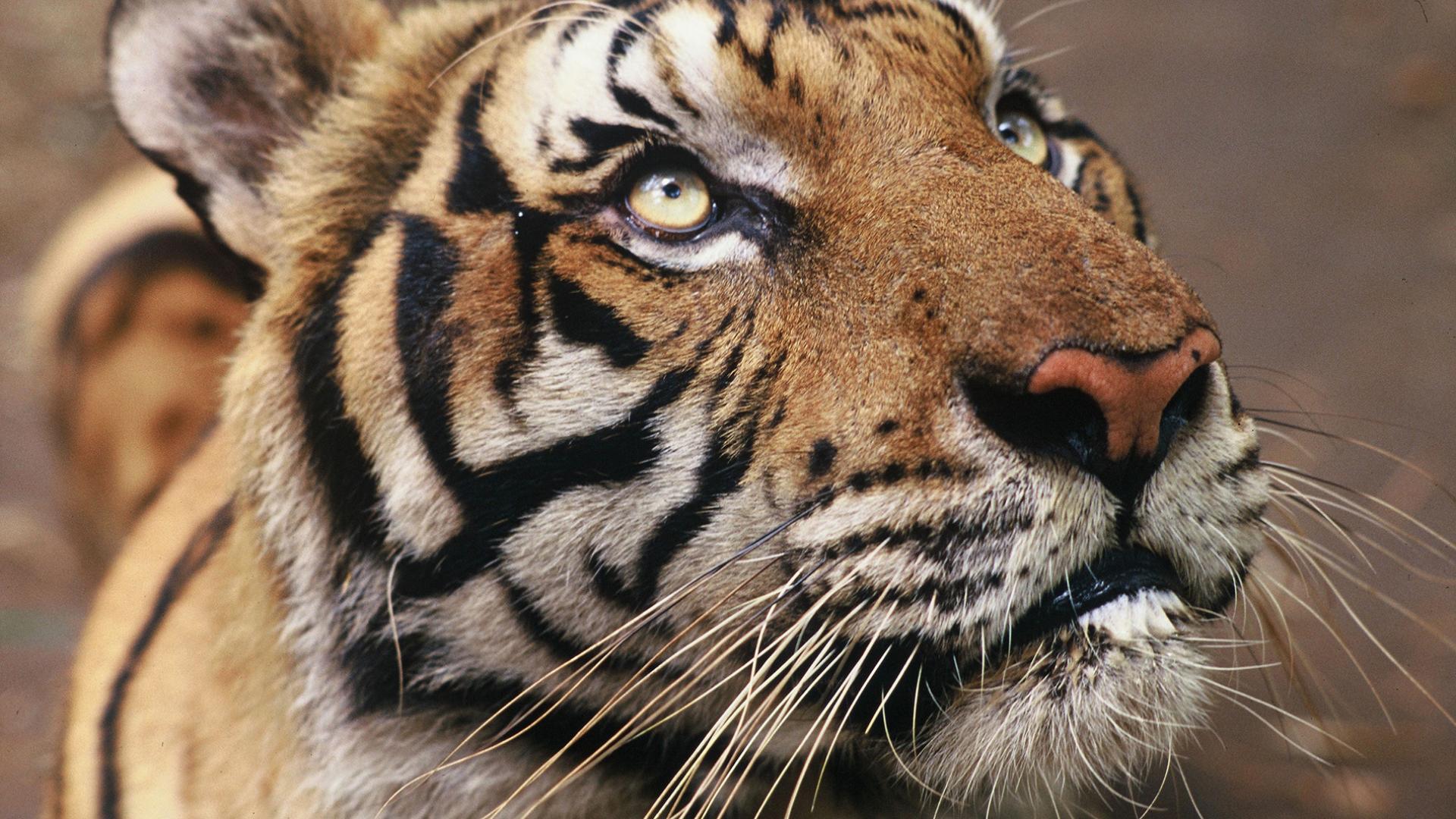
A fabulous animal that inspired terror and respect among the ancients, the tiger would have disappeared during the 20th century if the global scientific community had not sounded the alarm. It was in 1969 that the WWF reported catastrophic numbers of tigers, fewer than 2,000 in India.

A pastime of English settlers and maharajahs, trophy hunting has long been the primary cause of the disappearance of the tiger. Now banned in all countries where the feline lives, poaching, the cultivation of large areas of land and the scarcity of its wild prey are now the main causes of its decline.
But from the 20th century, the cultivation of large areas of land, deforestation and the scarcity of wild prey accentuated the decline of tiger populations.
According to the WWF, over the last ten years, nearly 45% of tiger habitat has disappeared. In total, only 7% of its historic range remains. And this pressure continues to grow as India's rainforests are sacrificed for agricultural land and to support urban sprawl.

To counter this phenomenon and protect tigers from extinction, the Tiger Conservation Authority of India (NTCA) has therefore designated 52 nature reserves (as the Tadoba Andhari Tiger Reserve) , required to regulate logging, reduce deforestation and develop alternative livelihoods for communities living near these wild carnivores.
And thanks to these nature reserves, researchers have recently realized that protecting tigers could have positive externalities on the climate and biodiversity.
SAVE THE TIGERS... It's good for the Planet.
Comments

Powered by RoundtableBuilt on infrastructure designed for real-time media. Learn more at RTB.io.© Roundtable 2026. By using this site you agree to the Terms of Use and Privacy Policy