




Mar 6, 2024 7:01 PM
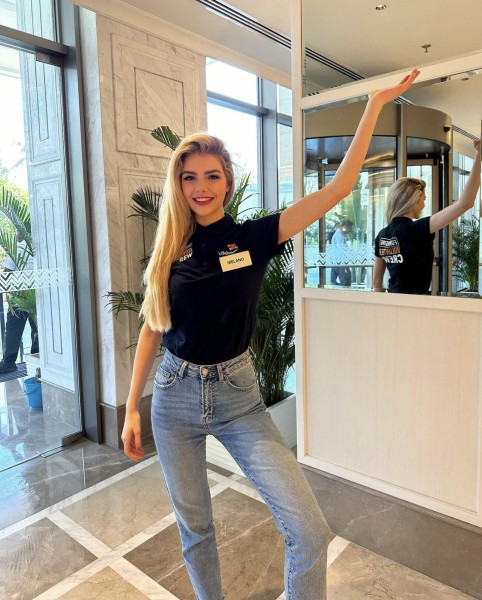
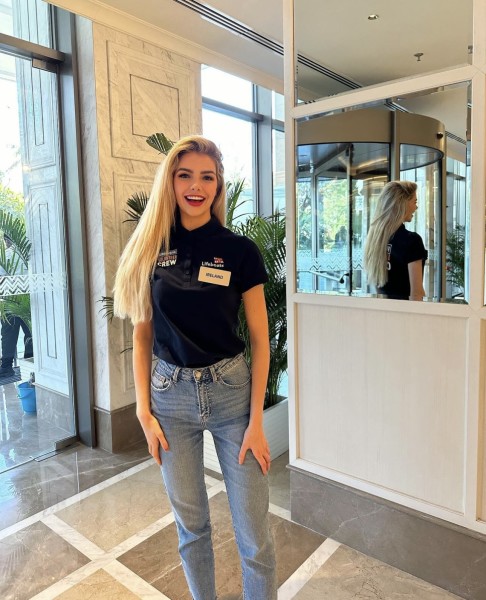
During our time at Miss World we have many rehearsals where we can wear more casual attire. I have chosen to use this as an opportunity to bring awareness and highlight Irish charities by wearing a different t-shirt representing each of them for every rehearsal.
Today I'm representing the Irish Red Cross, in particular
RNLI lifeboat crews protect hundreds of communities around the UK and Ireland through their 24-hour search and rescue service. To do so, they rely on the safest, most reliable lifeboats and modern stations to launch from.
Saving lives at sea requires lifeboats that can battle the elements, lifeboat stations from which to launch from, and your support. Every lifeboat launch, and every life saved, is only possible thanks to the generosity of people like you.
The 238 lifeboat stations of the RNLI create a ring of safety around the coasts of the UK and Ireland. Some have been housing lifeboats for decades, others specially built to tackle the unique geography of the UK and Irish coastlines. And whether they're in the heart of a busy harbour, at the bottom of a cliff face, or on a busy waterway, they are all uniquely placed to provide the quickest response to a call for help.
Right now, RNLI lifesavers are ready to race to the rescue.
They don’t know who they will be helping. Nor what to expect at the end of the shout. All they know is that someone is in need of their help.
But before they can even launch, a lot has to happen.
This is what it takes to launch a lifeboat:
The call to rescue comes in:
Someone is in desperate need of rescue. Their life is in danger. An emergency call is made to 999 and the coastguard are alerted. A decision is then made: an RNLI lifeboat needs to be launched as soon as possible. The call to rescue goes out. 24 hours a day, 7 days a week, 365 days a year, RNLI volunteers across the UK and Ireland are ready to answer that call.
The crew are paged:
The coastguard contact the lifeboat station’s Lifeboat Operations Manager (LOM) or Deputy Launch Authority (DLA). If a launch is agreed, the coastguard will then page the crew. Volunteers will drop everything – work, family, friends – to run to the rescue.
As the volunteers quickly make their way to the station, so does the LOM or DLA, who will begin collecting as much information as possible about the shout. From what they know, they and the helm or coxswain of the lifeboat will assemble their crew.
The lifeboat is prepared:
While the lifeboat crew quickly change into their kit, the Shore Crew prepare the lifeboat. It’s their job to ensure the lifeboat is ready to go as soon as the crew are. From opening station doors and clearing the slipway, to starting winches and getting the tractor ready. There are countless tasks that must be done quickly and efficiently. Just like the crew, they have put in countless hours of training to be ready for this moment.
Finally, the Lifeboat Crew are able to launch. All the hours spent training, the time spent practicing boat handling and using the equipment, is all about to be put into use.
It takes a lot of people to be able to launch a lifeboat. But there’s one person missing from this chain of events – You.
Your support is vital to lifesaving:
Volunteer lifesavers wouldn’t be able to launch without your support. Every training session, every piece of kit, every lifeboat, has been funded by donations from people like you. Donations powered this launch. Your kindness could help power the next.
Lifeboat crews have just launched… For 200 years, RNLI volunteers have saved people in desperate need at sea. And that’s all down to kindness.
Lifeboat crews and lifeguards are known for their courage. But none of their incredible rescues would be possible without the kindness shown by the public. Since 1824, the kit, training, lifeboats and fuel they’ve needed to save lives has been funded by kind donations.
With your support, this story of kindness can continue:
24 hours a day, 7 days a week, RNLI lifeboat crews are ready to launch to the rescue.
Comments

Powered by RoundtableBuilt on infrastructure designed for real-time media. Learn more at RTB.io.© Roundtable 2026. By using this site you agree to the Terms of Use and Privacy Policy