

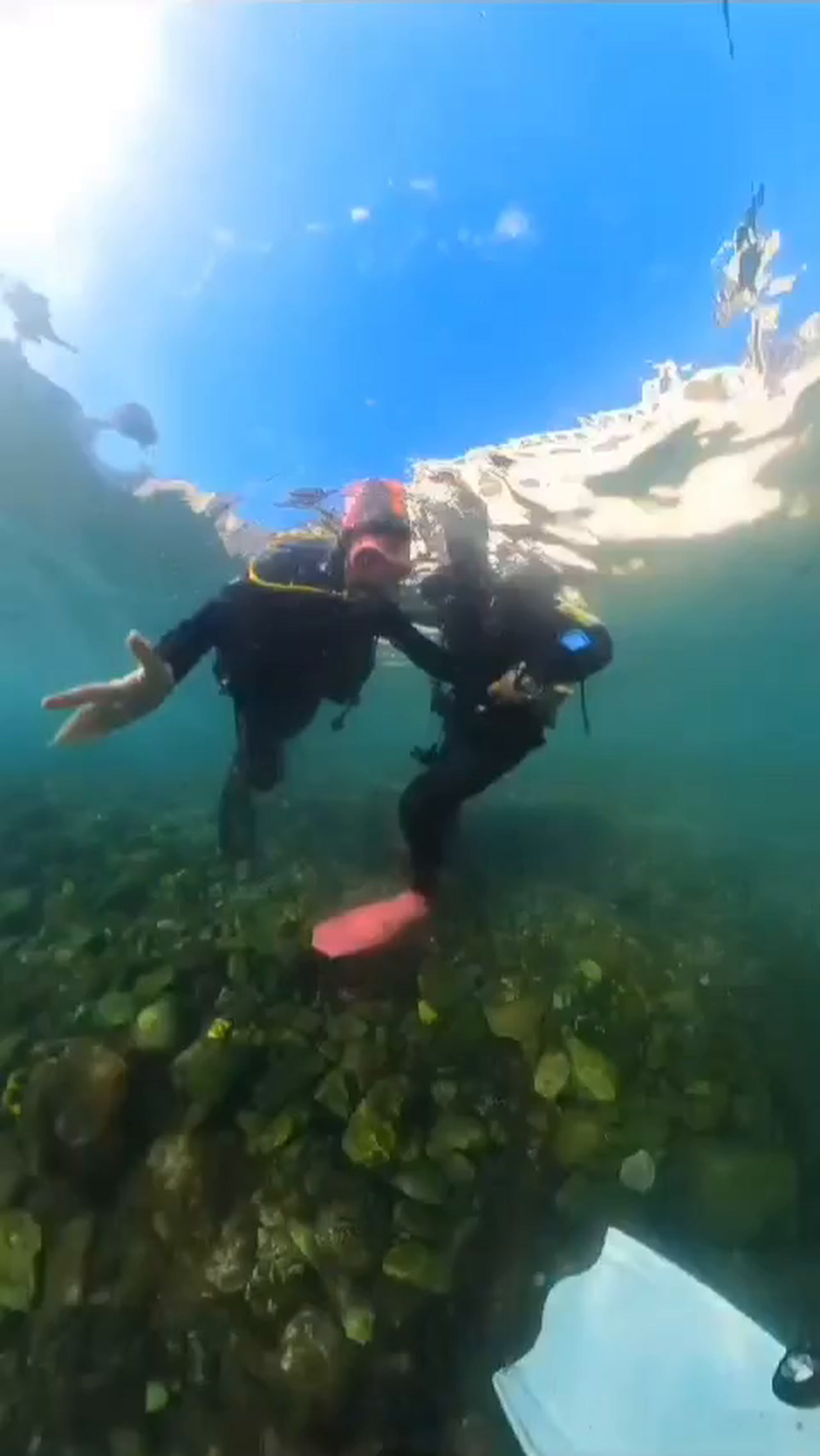


In Gibraltar there are numerous artificial reefs. The purpose of Gibraltar artificial reefs is to enhance marine biodiversity, promote sustainable fishing practices, and provide habitats for various marine species. These reefs are designed to mimic natural reef structures and create new ecosystems, attracting a diverse range of marine life. Additionally, they can help protect coastal areas from erosion and provide opportunities for scientific research and monitoring of marine ecosystems Litter in the oceans poses a significant threat to marine life and ecosystems. It can entangle and suffocate marine animals, disrupt their habitats, and introduce harmful chemicals into the water, causing long-term damage to the delicate balance of marine ecosystems Divers play a crucial role in marine conservation. Their presence underwater allows them to directly observe and assess the health of marine ecosystems, identifying potential threats and monitoring changes over time. By documenting and reporting their findings, divers contribute valuable data that can inform conservation efforts and help protect vulnerable species and habitats. Divers also have the ability to participate in conservation activities such as reef clean-ups, removing harmful debris and invasive species from underwater environments. Through their actions, divers actively contribute to the preservation of marine biodiversity and the restoration of damaged ecosystems. Furthermore, divers can serve as ambassadors for marine conservation, raising awareness about the importance of protecting our oceans and inspiring others to take action. By sharing their experiences and knowledge, they can educate the public about the fragility of marine ecosystems and the need for sustainable practices. In summary, divers are essential for marine conservation as they provide valuable data, actively participate in conservation activities, and raise awareness about the importance of protecting our oceans
