



Feb 11, 2024 9:03 PM
The Aerospace Engineering Graduate aiming to be Miss (out of this) World!
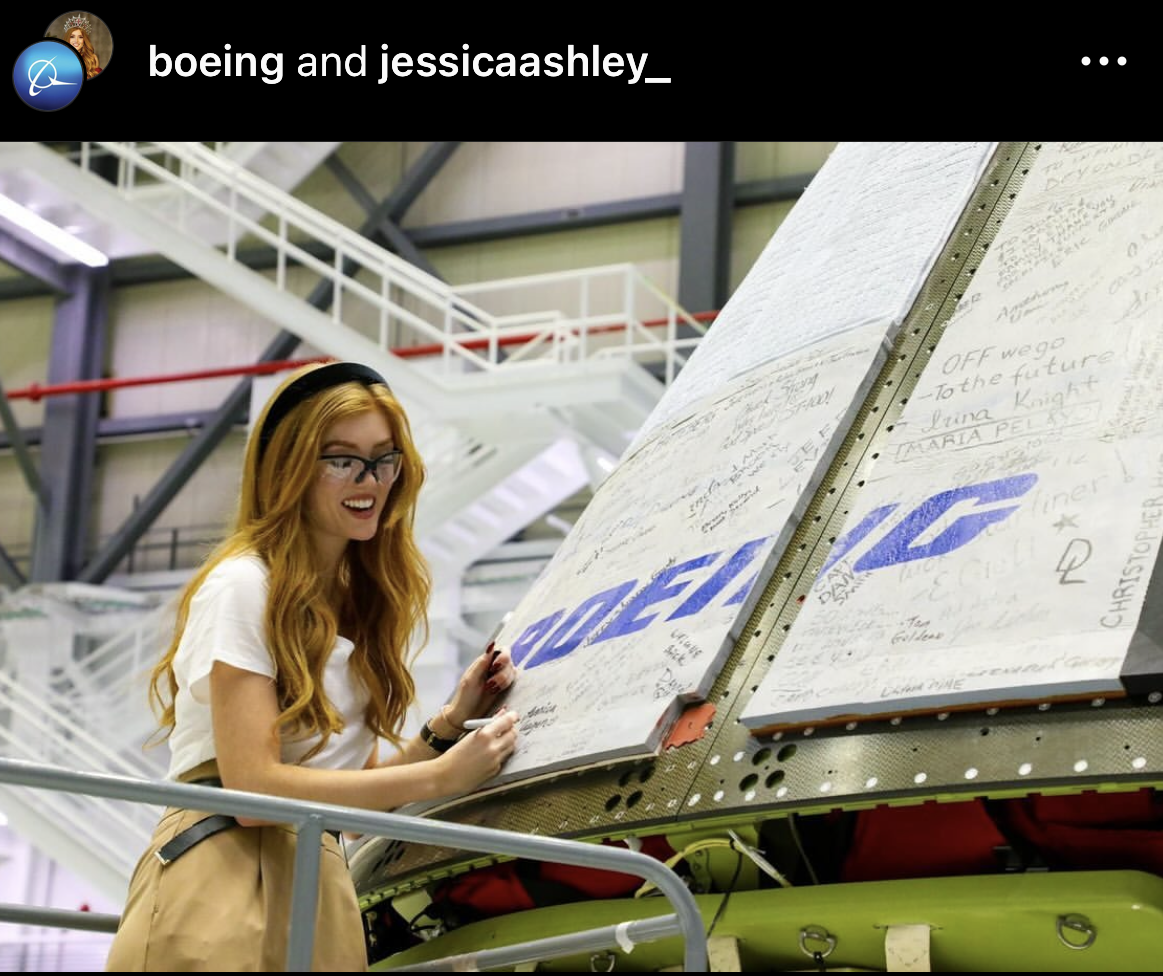
Jessica Gagen regularly visits schools across the UK to deliver talks aimed to excite children about everything STEM and space, but why is this so important?
"The future of human life depends on science and engineering" says Jess. "Whether it's improving sustainability, tackling climate change or creating new medicines, it's the scientists and engineers of the world who solve these problems - so it's integral we educate children about the exciting world of STEM and how they can be involved".
"Last year I visited the Redwire Space team in the US, who recently made science fiction become science fact, by bioprinting a meniscus, which is part of your knee, aboard the International Space Station!
Printing with biomaterials on earth is extremely difficult because of our planet's gravitational pull, but in space, aboard the ISS where there is microgravity, it's entirely possible - it's a significant step towards us never needing organ donors again as one day, we'll be able to 3D print any of our parts which aren't working properly.
Microgravity can also help scientists to pinpoint cellular changes which cause cancer, leading to potential new treatments which could act as preventative measures or even enhance patient's lives."
Aside from educating children about the science experiments astronauts conduct aboard the ISS, Jessica also talks about the technology we utilise daily as a result of aerospace engineering, and exciting future topics concerning sustainability that children can be a part of.
"I try my best to help children realise what they're already utilising as a result of space technology - like GPS. I like to talk about how we'll one day be able to make commercial aeroplanes more environmentally friendly, by using hydrogen as fuel, and about my very own third year engineering project, where I designed and developed non-pneumatic tyres. Non-pneumatic tyres are those which don't require air - we utilise them already on rovers on the moon and mars, but we're yet to use them commercially in the automobile market... When we do, tyres will last longer and be resistant to punctures, meaning less waste, which is better for the environment".
Comments

Powered by RoundtableBuilt on infrastructure designed for real-time media. Learn more at RTB.io.© Roundtable 2026. By using this site you agree to the Terms of Use and Privacy Policy