

The Legacy of Mahatma “great soul” Gandhi message on peace in today’s world
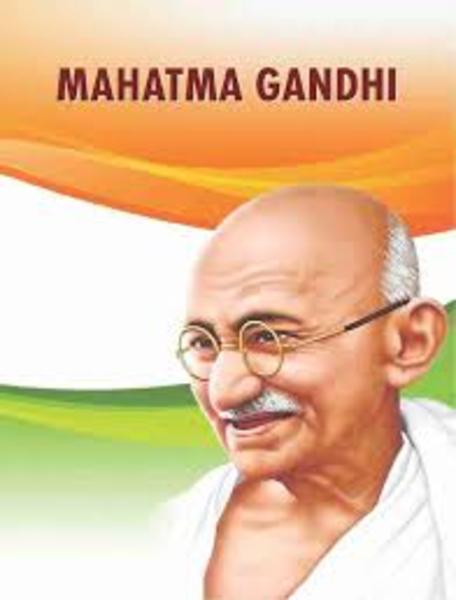
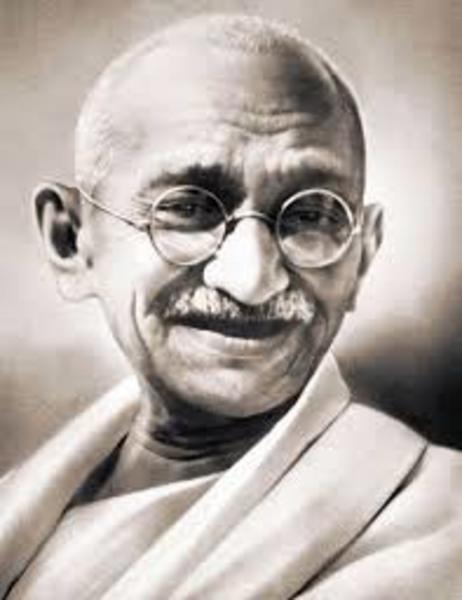
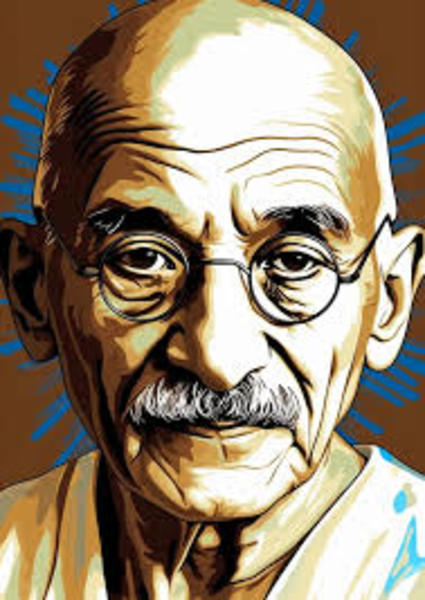
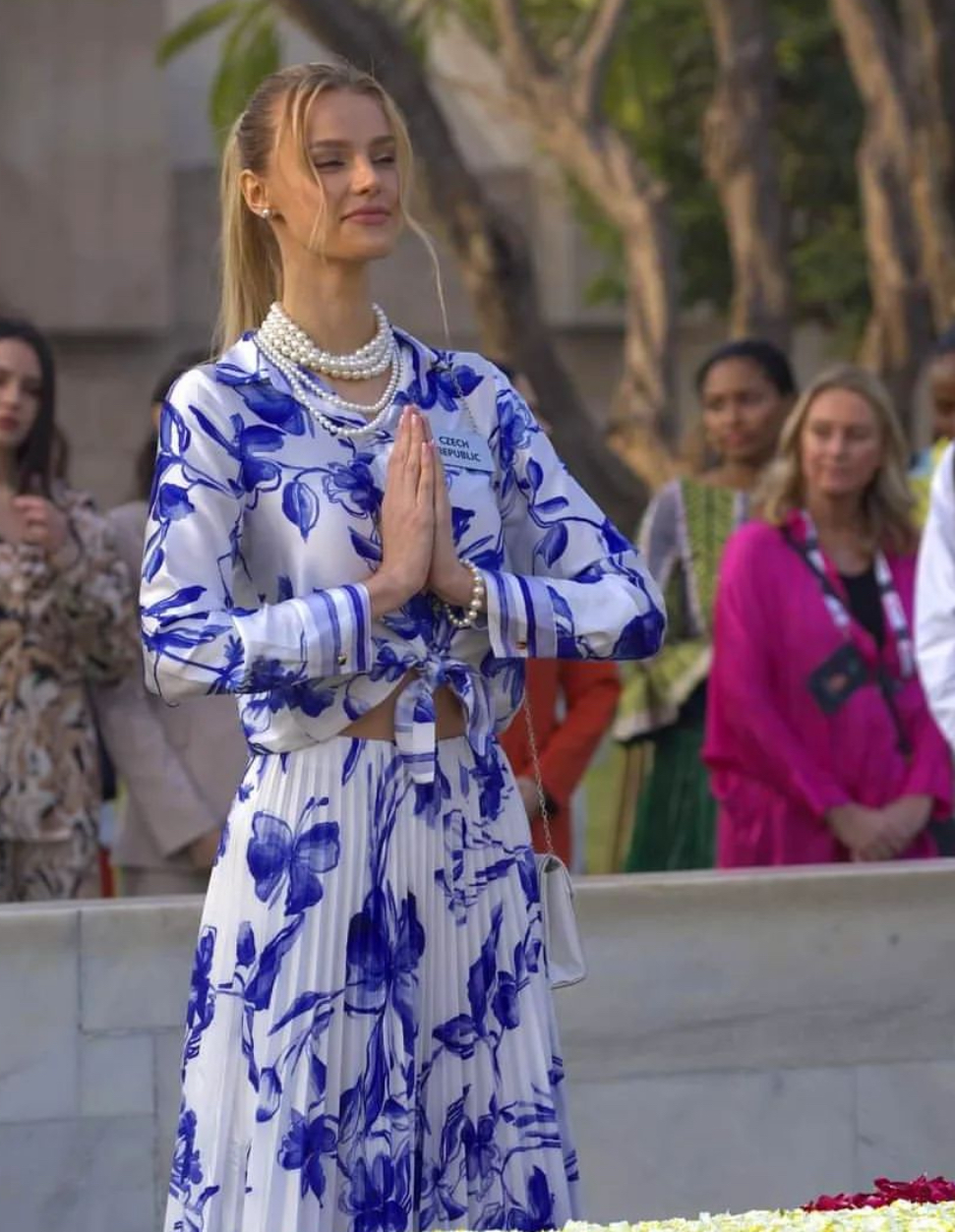
As we have visited The national Gandhi museum which is housing many original books, journals and other relics from the life of one of my biggest personal heroes, spiritual and political leader, India’s father of the nation “Bapu” Mohandas Karamchand Gandhi, I couldn’t help myself to not think about his legacy and message on worldwide peace and how we could apply it in today’s modern world.
Gandhi's philosophy of nonviolence, or ahimsa, remains a powerful and important message in a world marked by conflicts, wars, and social injustices. The practice of nonviolence as a means of social change and conflict resolution is still relevant today and has inspired many movements for peace and justice around the world. He believed that peace in the world begins in peace of our own mind and the importance of one spirituality as it is the human mind stricken with lust and desire where all the means of war and violence begins
Overall, Mahatma Gandhi's message of truth, nonviolence, social justice, sustainability, empowerment, and interfaith harmony continues to inspire people around the world to work towards a more just, peaceful, and sustainable society. His teachings serve as a timeless guide for individuals and societies seeking positive change and transformation in the modern world.
Which is one of the biggest moving forces behind my BWAP project. As I believe that aside from educating children on the usual subjects like languages and mathematics, we also have the responsibility to educate them on how to group up to be strong peaceful individuals to assure we can establish their future to live in a better, more peaceful world. As Nelson Mandela, whose philosophy on life was also very influenced by Gandhi’s teachings, said: “No one is born hating another person because of the colour of his skin, or his background, or his religion. People must learn to hate, and if they can learn to hate, they can be taught to love, for love comes more naturally to the human heart than its opposite.”