



Mar 5, 2024 6:33 AM
The science behind Cystic Fibrosis.
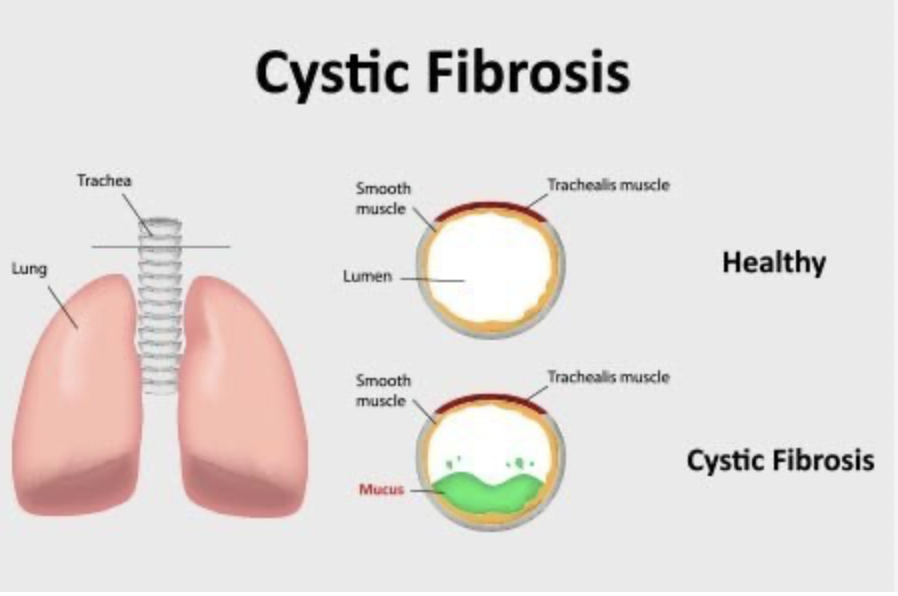
- Cystic fibrosis (CF) is a genetic disorder that primarily affects the lungs and digestive system. It is caused by mutations in the cystic fibrosis transmembrane conductance regulator (CFTR) gene, which leads to the production of thick and sticky mucus in various organs of the body. CF is a chronic and progressive condition that requires lifelong management and treatment.Individuals with cystic fibrosis often experience respiratory symptoms such as persistent cough, frequent lung infections, and difficulty breathing due to the accumulation of mucus in the airways. This can lead to complications such as bronchiectasis and respiratory failure if left untreated. In the digestive system, CF can cause malabsorption of nutrients, pancreatic insufficiency, and gastrointestinal issues.Diagnosis of cystic fibrosis is typically made through newborn screening, genetic testing, and sweat chloride testing. Early detection and intervention are crucial in managing the symptoms and improving the quality of life for individuals with CF. Treatment options for cystic fibrosis include airway clearance techniques, medications to thin mucus and reduce inflammation, enzyme replacement therapy for pancreatic insufficiency, and nutritional support.Research and advancements in medical science have led to significant improvements in the management of cystic fibrosis, with targeted therapies such as CFTR modulators showing promising results in treating the underlying cause of the disease. Multidisciplinary care teams, including pulmonologists, gastroenterologists, dietitians, and respiratory therapists, play a vital role in providing comprehensive care for individuals with CF.Despite the challenges posed by cystic fibrosis, many individuals with the condition lead fulfilling lives with proper management and support. Advocacy organizations, research institutions, and healthcare providers continue to work towards improving outcomes and finding a cure for cystic fibrosis. Increased awareness, early intervention, and access to specialized care are essential in addressing the needs of individuals living with CF and enhancing their overall well-being.
Comments

Powered by RoundtableBuilt on infrastructure designed for real-time media. Learn more at RTB.io.© Roundtable 2026. By using this site you agree to the Terms of Use and Privacy Policy